
MLAstro RPA kit – For MLAstro One
Price range: 649,00 $ through 718,00 $
Frequently Asked Questions
Q: What is this? What does it do?
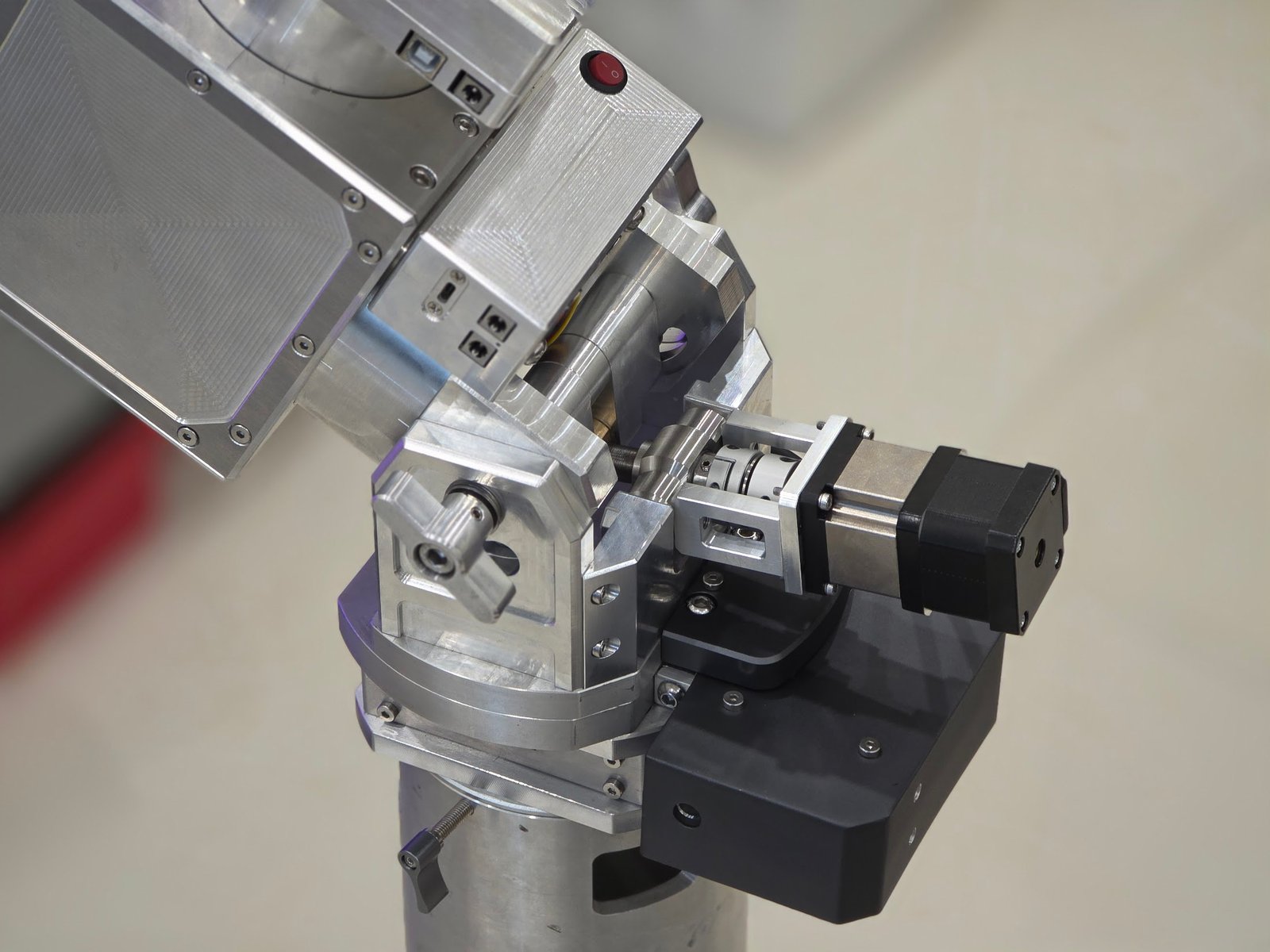
A: The RPA is an add-on for the MLAstro One harmonic mount that motorizes the altitude and azimuth adjustment knobs. It allows you to adjust polar alignment remotely, or let the integrated Polar Alignment routine automatically correct the polar alignment error on your MLAstro One without needing to be physically next to the mount.
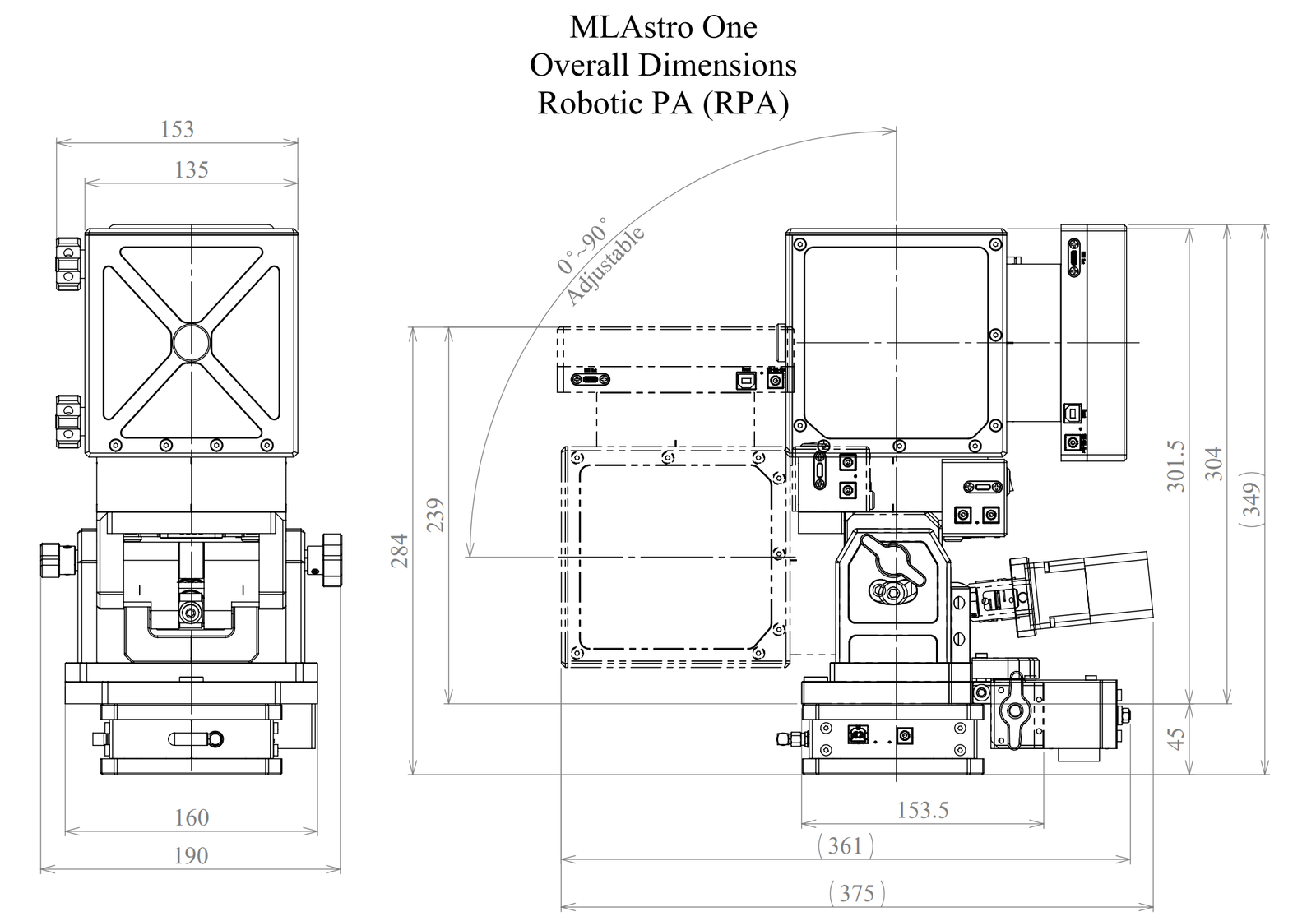
The MLAstro One with RPA has an adjustment range of +/-10 degrees in altitude and +/-8 degrees in azimuth. This means you still need to roughly polar align the mount first, then the RPA can take care of the fine adjustment.
Q: Does this work with MLAstro SAL-33?
A: No, this kit is designed to work with MLAstro One only. It is not compatible with MLAstro SAL-33 or any other mount for that matter. We’ll add another RPA kit for the existing MLAstro SAL-33 later in 2026.
Q: Do you have plan for an Universal RPA base for other mount as well?
A: Yes, we have plan to add an affordable universal RPA base that you can use with practically every mount out there. We are estimating we will introduce the kit in mid 2027.
Q: How can I control it?
A: There are 3 ways to control the RPA:
- Via the web interface. The RPA creates its own Wi-Fi hotspot. You can connect to it, open the integrated web server through a browser, and control the RPA directly. You can also connect the RPA to your home Wi-Fi network and access the web interface from your local network.
- Via the mobile app. We will add RPA support to MLAstro Hub, which supports Android, iOS, Windows, and macOS.
- Via native support in observatory control software. NINA TPPA and the KStars/INDI polar alignment routine are supported, with SharpCap support coming next.
Q: What’s in the box and how do you install it?
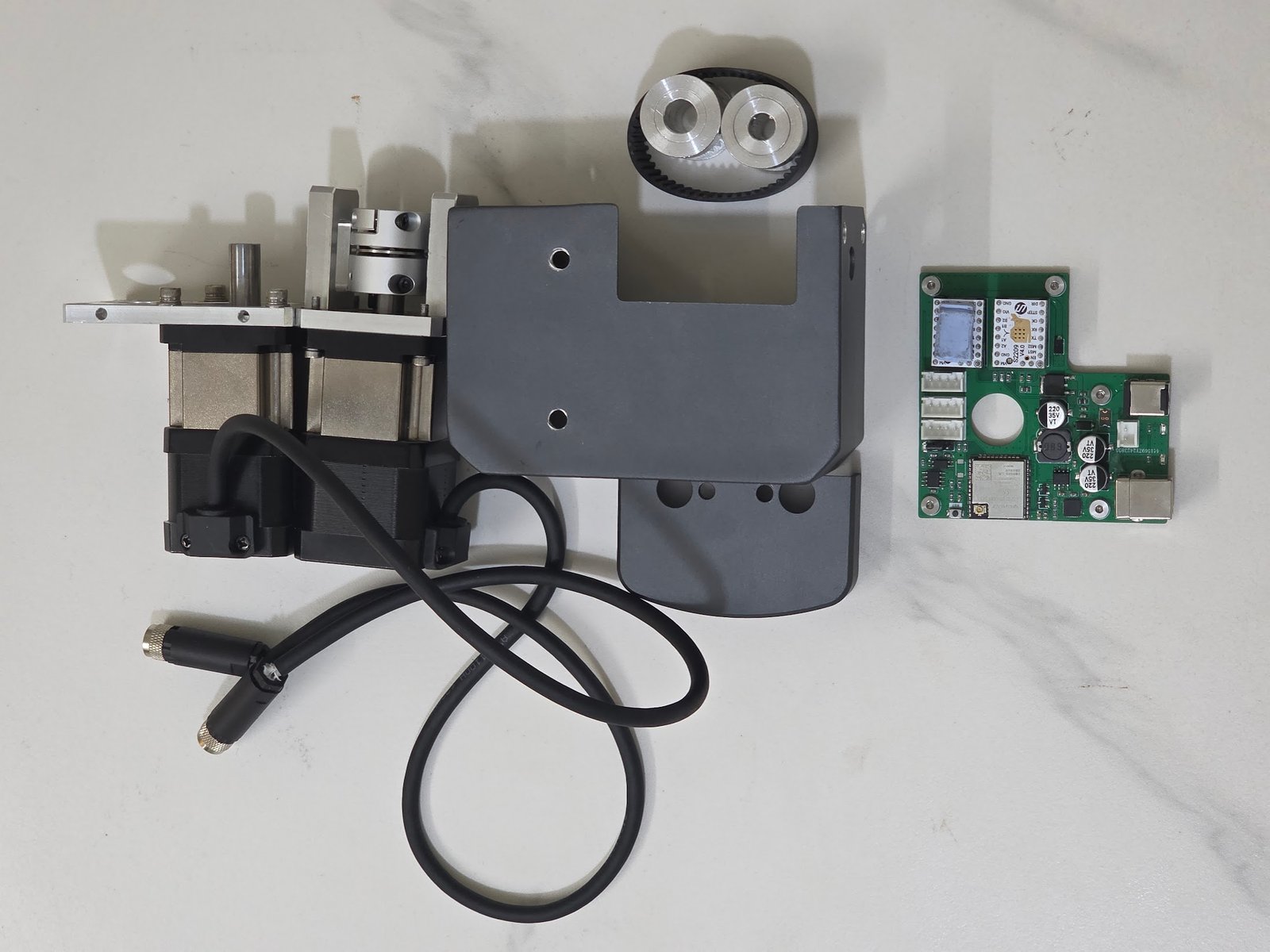
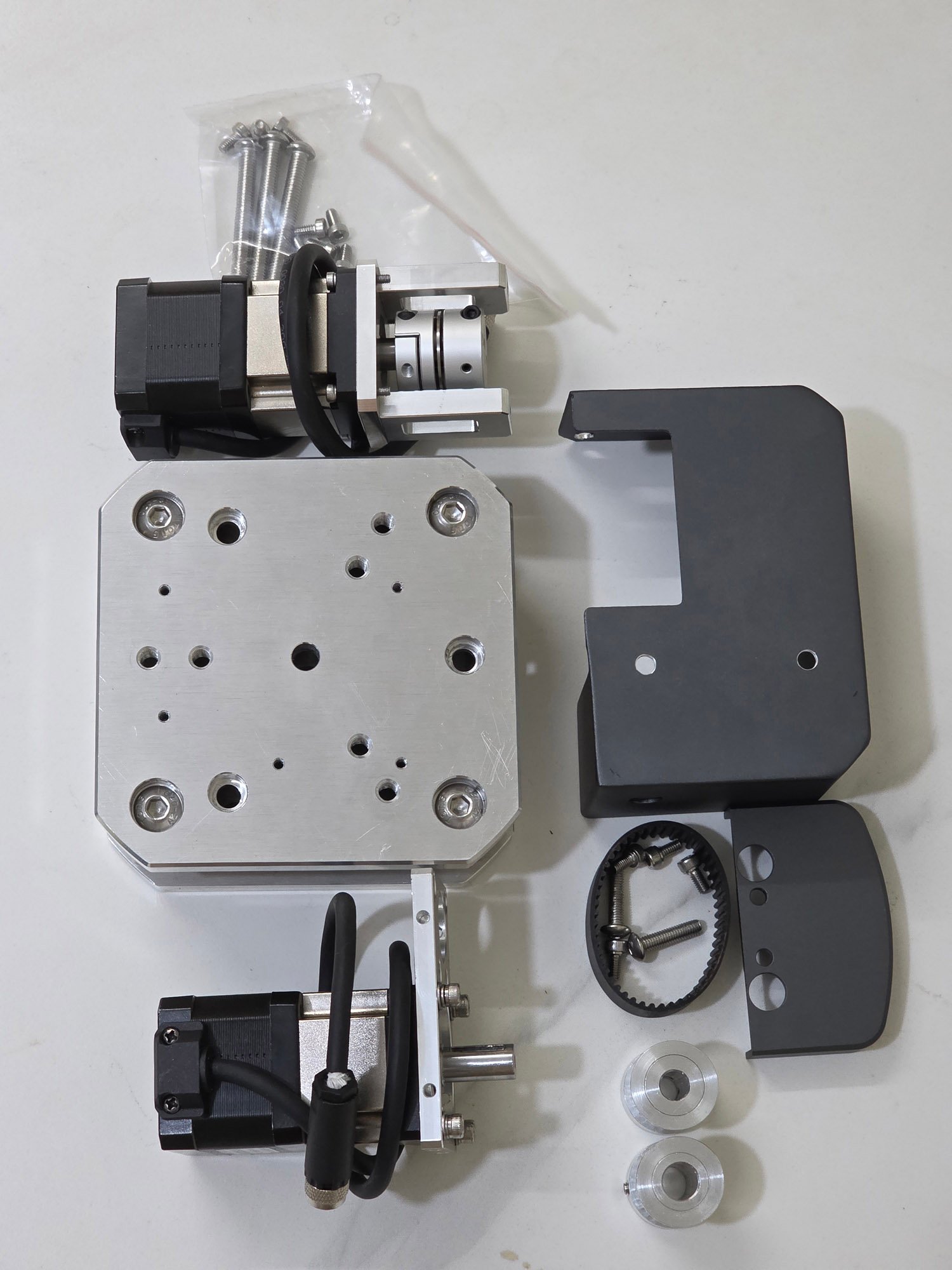
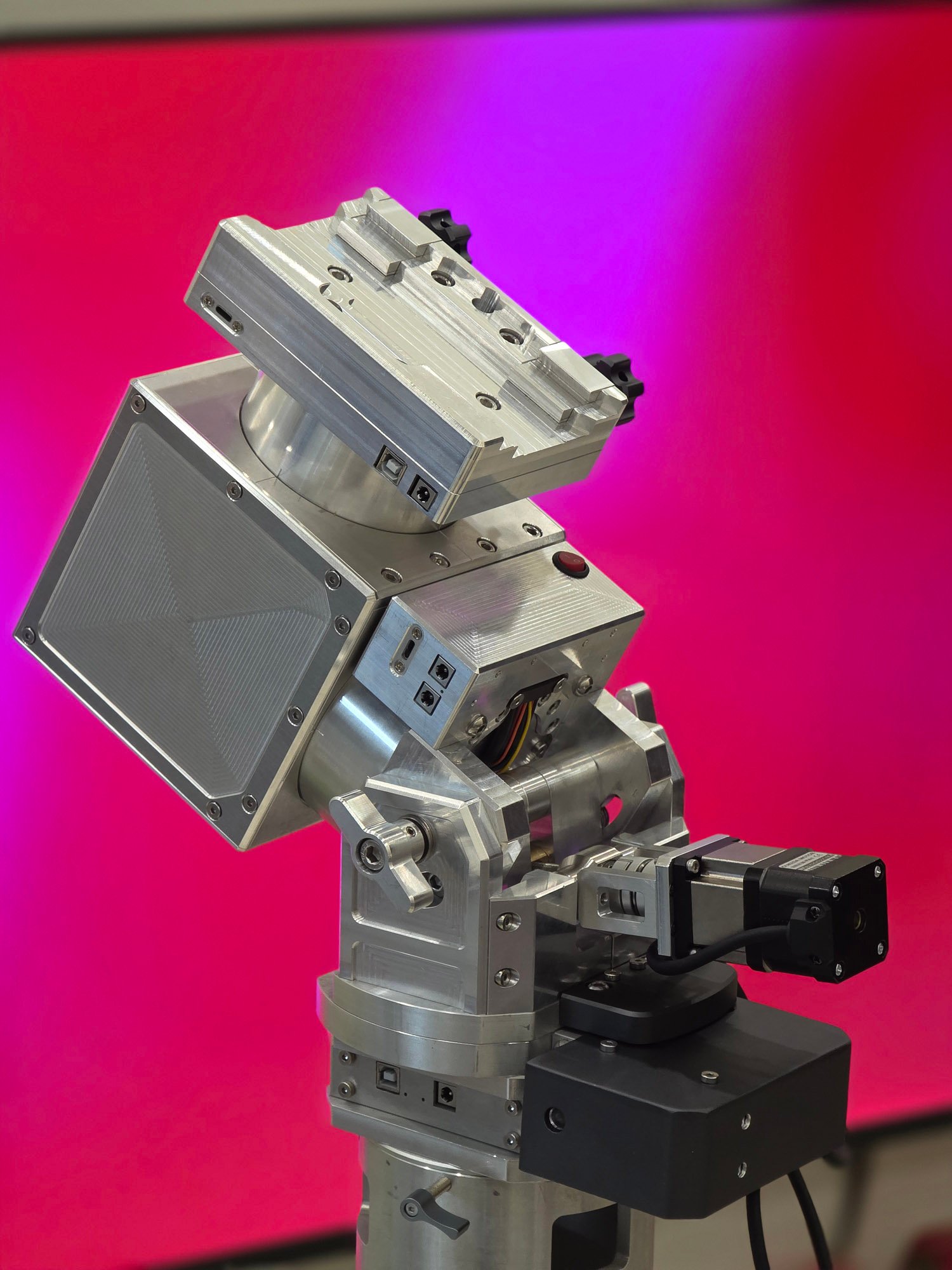
A: The kit includes 2 stepper motors with high-quality, low-backlash gearboxes, belts, motor covers, screws, couplings, and everything else needed to install the RPA onto your MLAstro One.
Installation is straightforward and similar to installing an electronic focuser on a telescope. The kit is designed to be customer-retrofittable. That said, if you know you want RPA, we recommend ordering it together with your mount so our experienced technicians can install it and make sure everything is set up correctly before shipping.
Q: Is there a weight limit for the RPA?
The RPA is designed to handle a fully loaded MLAstro One, up to 40 kg payload with a 5 kg counterweight.
Q: Is the mechanism backdrivable?
A: No. If power is lost, the RPA will hold the polar alignment position without needing any power. After polar alignment is complete, you can turn off the RPA to save power.
Q: I want to go back to manual polar alignment with my fingers. Is that possible?
A: Yes. You can remove the RPA mechanism and reinstall the manual adjustment knobs.
Q: Does the RPA motor interfere with how the mount works in any way?
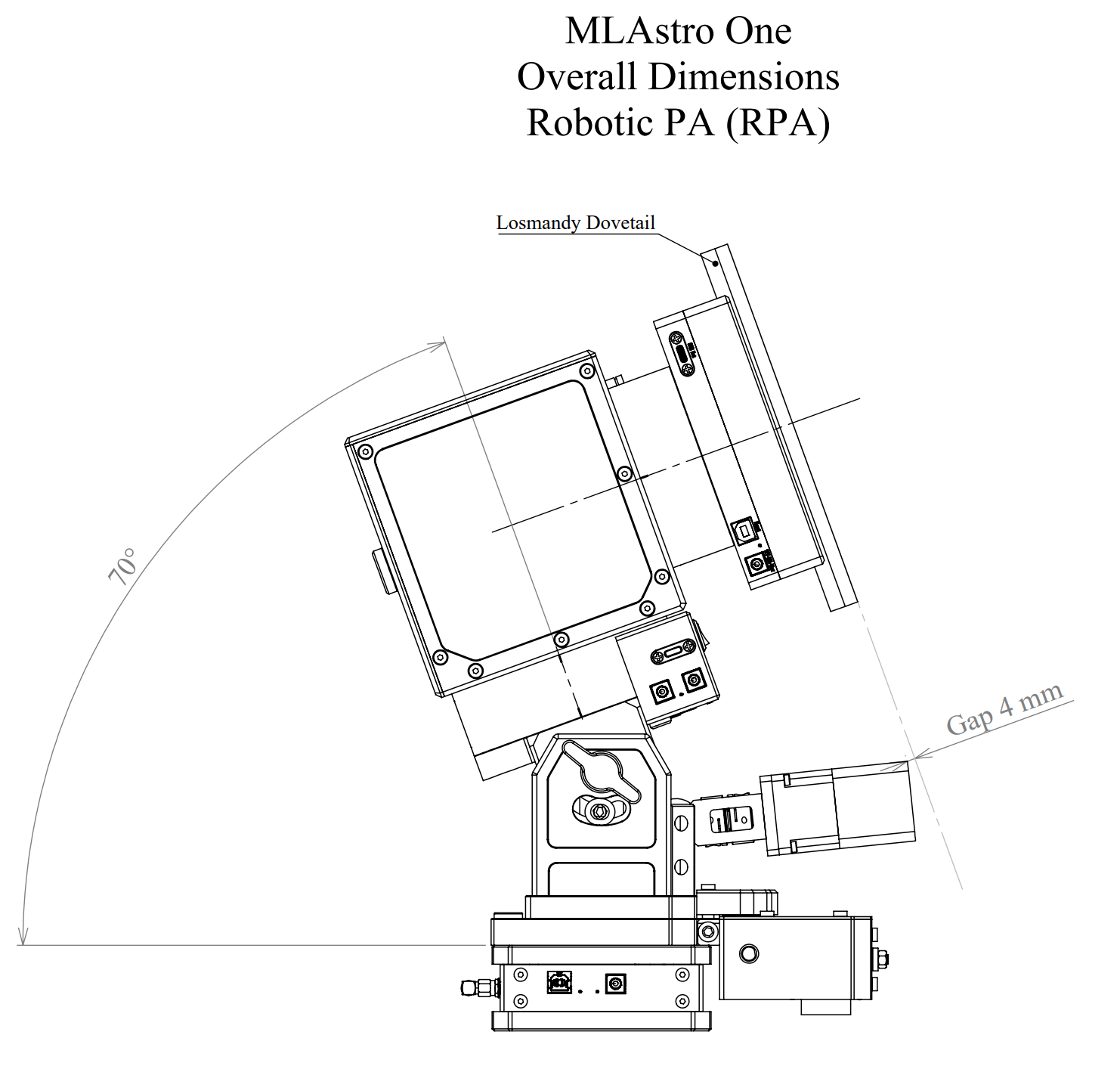
A: In most cases, no. However, with the RPA motors installed, certain telescope setups and orientations may cause the telescope dovetail to touch the RPA motors. In that case, a saddle riser kit may be needed to provide enough clearance.
This is mainly relevant for users at very high latitudes, especially above 65 degrees. If you are located above 65 degrees latitude, please contact us by email so we can check whether you need a saddle riser kit.
Q: If I order the RPA with the mount, when will it be shipped?
A: It will be shipped together with your MLAstro One.
Description
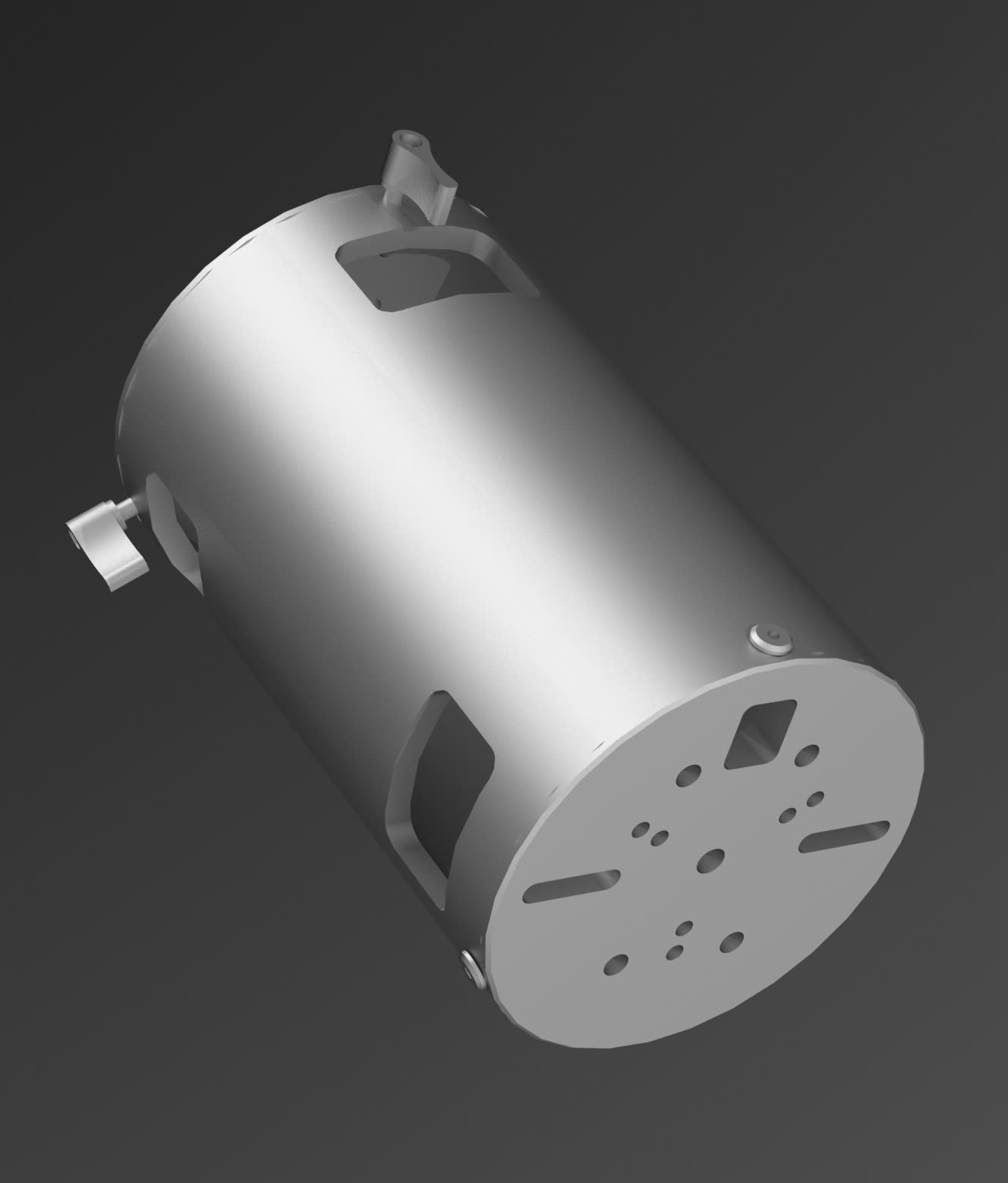
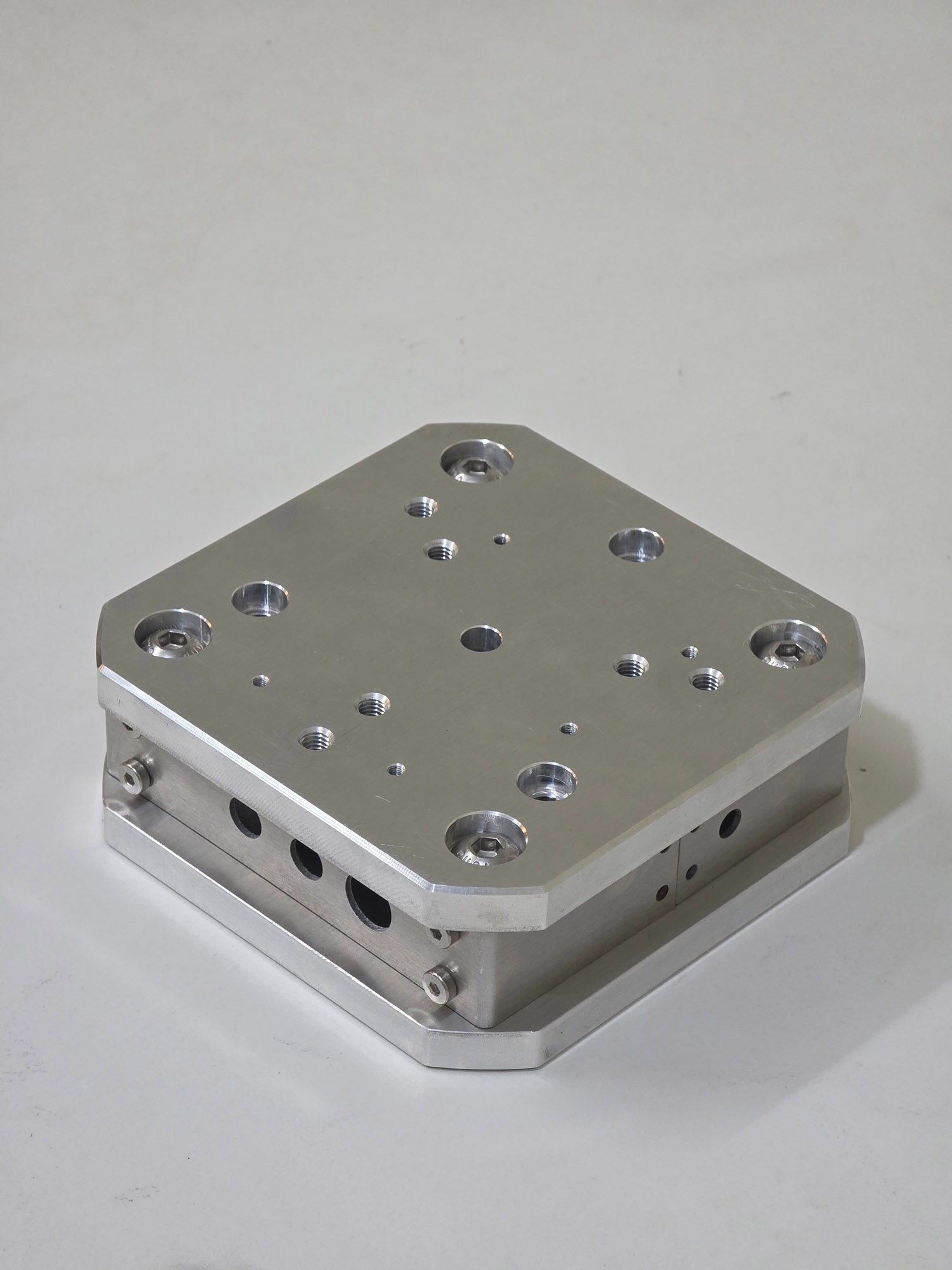
Important note: If you buy the RPA, you need to get the Base Riser BR-01 also. Without BR-01, the kit is incomplete. BR-01 provide clearance and houses the Electronics.
MLAstro One Robotic Polar Alignment
A small contribution from every MLAstro RPA kit sold goes directly toward supporting the ongoing development of N.I.N.A. and INDI, the open-source projects that have contributed so much to our astronomy community.
Robotic polar alignment, built into the mount from the ground up.
The MLAstro One Robotic Polar Alignment system, or RPA, is MLAstro’s answer to one of the oldest and most frustrating problems in equatorial mount operation: polar alignment.
Simple. Precise. Automated.
After a long and difficult development process, the MLAstro One RPA is now ready for commercial release.
This is not just a motorized accessory bolted onto an existing mount base. It is a fully integrated robotic polar alignment system designed specifically for the MLAstro One, built around the same engineering philosophy as the mount itself: high precision, serious load capacity, portability, and real-world usability.
Polar alignment should not be this painful.
Anyone who has used an equatorial mount knows the routine.
You crouch behind a straight-through polar scope. You hurt your knees, your back, and possibly your dignity. Or you use software-assisted alignment, then fight the Alt-Az knobs by hand, trying to move the mount by just the right amount. Then comes the worst part. You tighten the locking bolts, and the alignment shifts. Again.
Polar alignment is not difficult because users do not understand it. It is difficult because the mechanical system itself is fighting them. We polar align because we have to, not because anyone enjoys the process. The MLAstro One RPA changes that.
Why robotic polar alignment is so difficult
At first glance, robotic polar alignment sounds simple. Add two motors to the altitude and azimuth adjustment system, connect them to software, and call it done. In reality, it is far more difficult. The Alt-Az base of an equatorial mount has to support the entire imaging system: mount head, telescope, camera, accessories, counterweights if used, and everything else attached to the rig.
While the system is slewing, tracking, guiding, and changing load direction, the adjustment mechanism must remain extremely rigid. Any flexure or play in the Alt-Az system can directly affect polar alignment accuracy and imaging performance. But the mechanism cannot simply be locked into one solid block. It still needs to move in two axes: altitude and azimuth.
That is the central engineering problem. A polar alignment base must be solid enough to behave like a fixed structure, but movable enough to make precise adjustments. Most traditional mounts solve this by using locking mechanisms. The base is adjusted manually, then clamped down with friction until nothing moves.
That works, but it creates the familiar problem:
The mount shifts when you lock it.
The MLAstro One RPA was designed to avoid that problem from the beginning.
The Zero-Shift 2.0 Alt-Az base
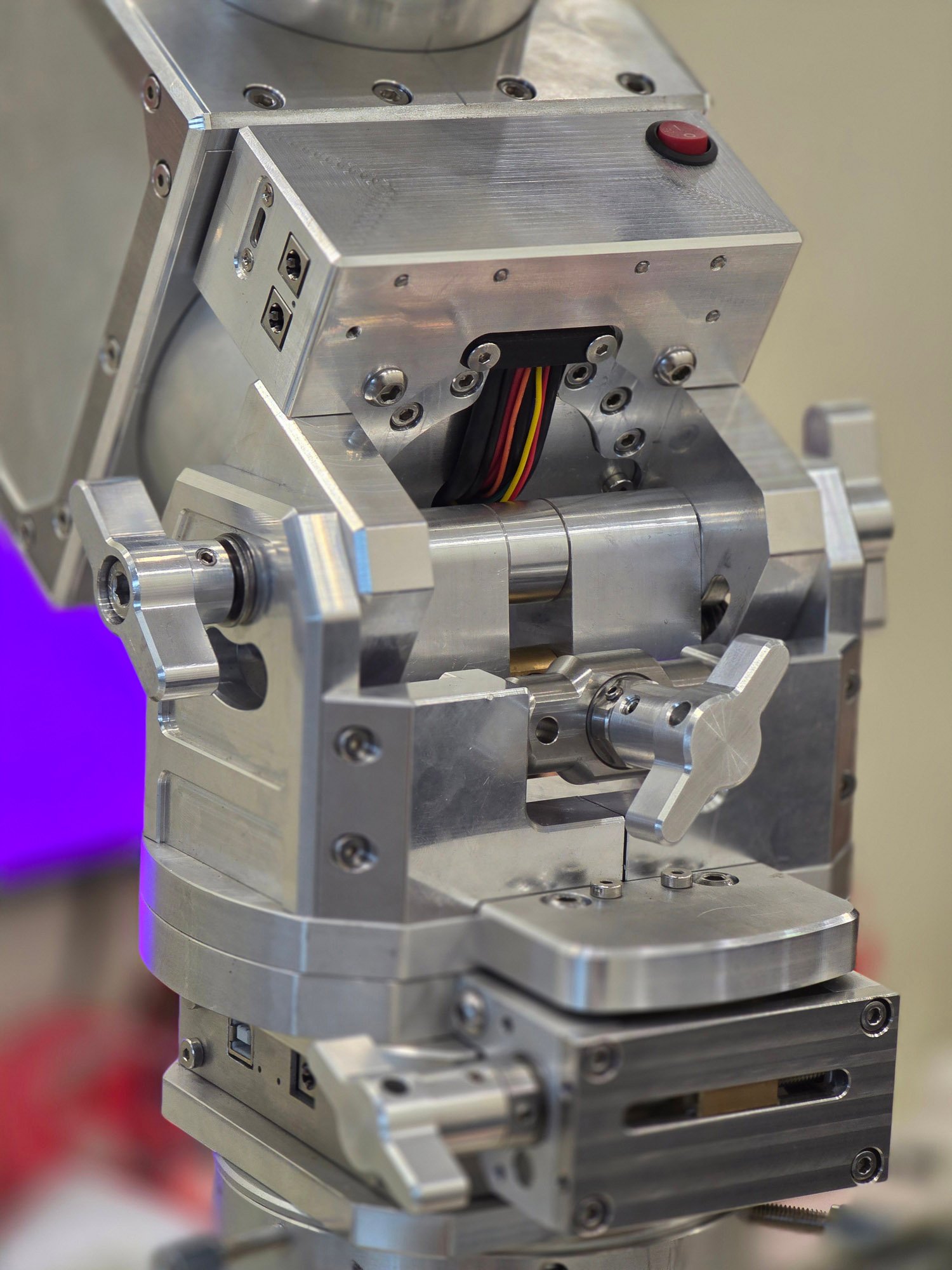
At the heart of the MLAstro One RPA is MLAstro’s Zero-Shift 2.0 Alt-Az base.
This mechanism is designed to remain rigid while still allowing controlled, precise movement in altitude and azimuth. It relies on extremely precise machining, with selected parts match-fitted from manufacturing through surface treatment and final assembly.
The goal is simple:
Move when commanded.
Stay solid when imaging.
Do not shift during adjustment.
This is one of the hardest mechanical challenges in robotic polar alignment, and it is the foundation that makes the RPA possible.
Small motors. Serious load capacity.
The MLAstro One was designed to remain portable, so the RPA system could not rely on oversized motors, bulky hardware, or a heavy mechanical base.
At the same time, the system still had to move a fully loaded imaging setup with precision.
That meant the RPA had to achieve several things at once:
- Move heavy equipment with compact motors
- Maintain high rigidity under load
- Preserve the portability advantage of the MLAstro One
- Avoid mechanical play during adjustment
- Integrate with modern imaging software
- Stay within a realistic price range for serious amateur users
That combination is what made the project difficult.
It is also what makes the MLAstro One RPA special.
Fully robotic polar alignment
With the RPA installed, the MLAstro One becomes a truly robotic mount capable of adjusting its own altitude and azimuth axes during polar alignment.
Instead of manually turning knobs, watching numbers change, overshooting, correcting, locking, shifting, and repeating the process, the RPA allows the mount to make controlled mechanical corrections through motorized movement.
The result is a cleaner, faster, and far more repeatable polar alignment workflow.
No crouching behind a polar scope.
No fighting adjustment knobs.
No guessing how far the mount moved.
No shift from tightening locking bolts.
Just precise robotic movement.
Wide adjustment range
The MLAstro One RPA provides a generous adjustment range for real-world setup conditions:
Altitude adjustment: ±10°
Azimuth adjustment: ±8°
This gives the system enough range to handle typical field setup errors after rough polar alignment.
The RPA is not intended to replace basic tripod placement or rough north/south orientation. You still need to set the mount down reasonably close to the correct position. Once the mount is roughly aligned, the RPA takes over the fine adjustment work.
Software integration
The MLAstro One RPA is designed to work with modern astronomy software ecosystems.
MLAstro has worked with the development teams behind INDI, INDIGO, and N.I.N.A. to support integration into existing polar alignment workflows. Oh and did I mention it works with ASIAir too? That’s right, we jumped the closed garden’s fence and made the MLAstro RPA works with ASIAir polar alignment routine as well. Take a look the video above to see the RPA work with ASIAir.
The goal is simple:
No matter which platform you use, the RPA should feel like a natural part of your imaging setup.
Supported integration include:
- INDI
- INDIGO
- N.I.N.A.
- ASIAir
- MLAstro Hub App
- MLAstro web interface
Native software support allows the RPA to be used directly inside compatible polar alignment routines. For setups that do not yet support native integration, the system can still be controlled manually through the MLAstro Hub app or the web interface.
Manual control mode
Even without full native software integration, the RPA remains extremely useful.
Through MLAstro Hub or the web interface, users can control the altitude and azimuth axes directly. This gives precise, repeatable movement without physically touching the mount.
That alone makes polar alignment dramatically easier.
Instead of turning knobs by hand and trying to guess how much the mount moved, you can make controlled adjustments remotely and watch the polar alignment error respond in real time.
For remote observatories, semi-permanent setups, heavy rigs, or users who simply want a cleaner workflow, this is a major improvement.
Built for the MLAstro One
The MLAstro One RPA was not designed as an afterthought.
It was developed specifically for the MLAstro One platform and built around its mechanical structure, load requirements, portability goals, and software ecosystem.
That matters.
Robotic polar alignment is not just about adding motors. It requires the mount base, adjustment mechanism, drive system, software control, and mechanical rigidity to work together as one complete system.
That is exactly what the MLAstro One RPA is designed to do.
What polar alignment should have been from the beginning
Polar alignment has been one of the least enjoyable parts of equatorial mount operation for decades.
The MLAstro One RPA changes the experience.
It turns polar alignment from a manual mechanical struggle into a precise, controlled, software-assisted process.
No polar scope gymnastics.
No fighting locking bolts.
No tiny accidental shifts after adjustment.
No more guessing.
The MLAstro One Robotic Polar Alignment system is finally here.
This is polar alignment, reinvent for the modern robotic observatory.
Category | Specification |
|---|---|
Connectivity | 1x USB Type B Wi-Fi |
Weight | 1.5kg |
Controller hub | Requires Base riser kit |
Operating Temperature | -20 to 50C ambient temperature |
Recommended PSU | 12V 2A. 5.5×2.1mm center positive |
Warranty | 1-year limited warranty |
Related products

- MLAstro One Preorder (Batch 2)
- Price range: 2.499,00 $ through 3.217,00 $
- Select options This product has multiple variants. The options may be chosen on the product page

- MLAstro P-200
- Price range: 25,00 $ through 149,00 $
- Select options This product has multiple variants. The options may be chosen on the product page
Reviews
There are no reviews yet.