MLAstro One Preorder (Batch 2)
Price range: 2.499,00 $ through 3.217,00 $
How do I preorder and when will the mount ships?
Q: How do I preorder and when will the mount ships?
A: All orders placed in 2nd batch is estimated to be shipped late Jan 2027.
Where is the MLAstro SAL-66?
Q: Where is the MLAstro SAL-66?
A: The SAL-66 was the original working name for what is now the MLAstro One.
At first, we planned for the mount to have a load capacity of 66 lb, or about 30 kg, without counterweights. That was where the SAL-66 name came from.
But as development progressed, the actual capacity increased to 35 kg without counterweights. At that point, the old name no longer made much sense, so we decided it deserved a new one.
And honestly, we could not miss the chance to call it:
One mount to rule them all. 😀
What are the recommended accessories for MLAstro One?
Q: What are the recommended accessories for MLAstro One?
A: The first recommended accessory is the Base Riser BR-01.
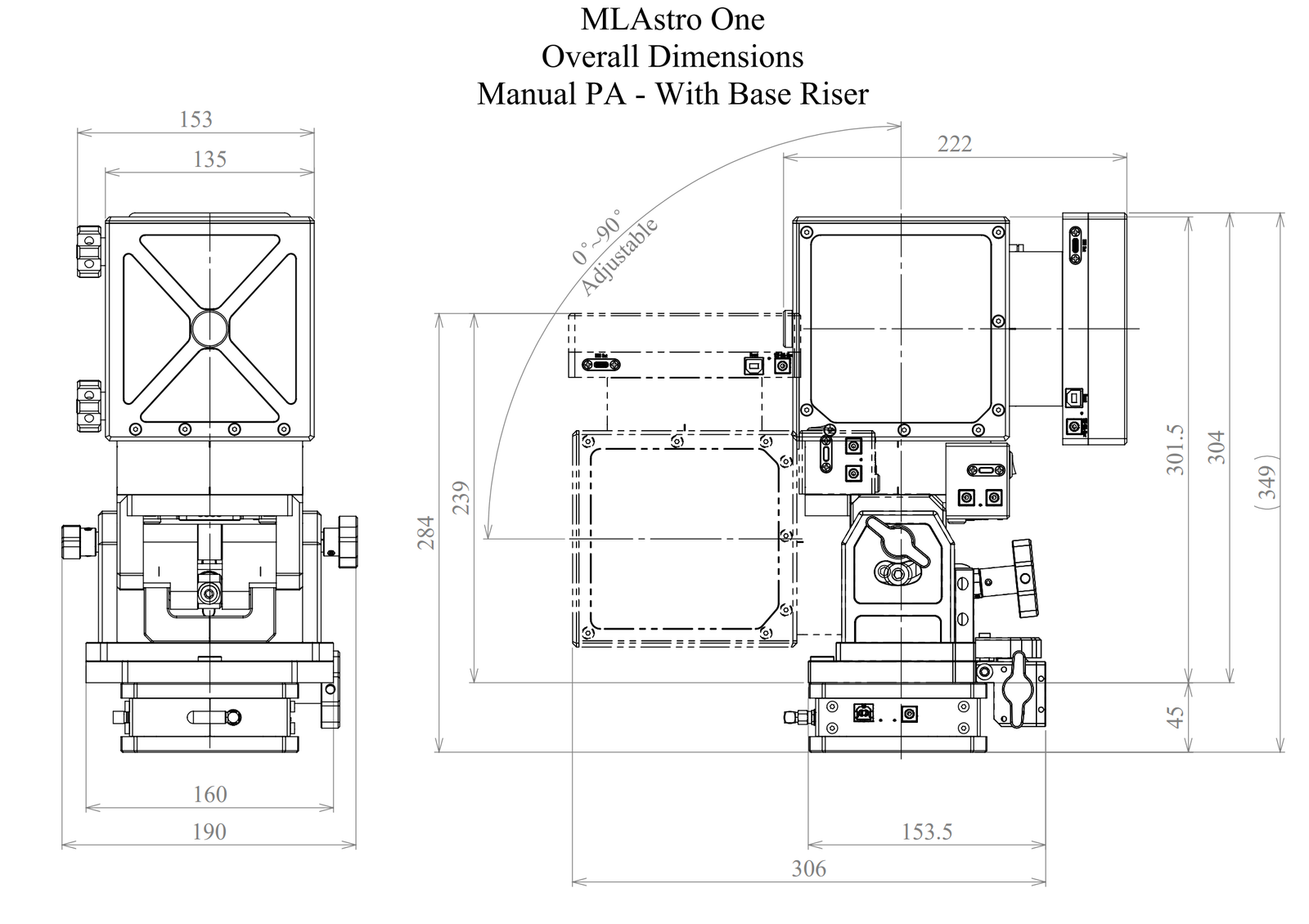
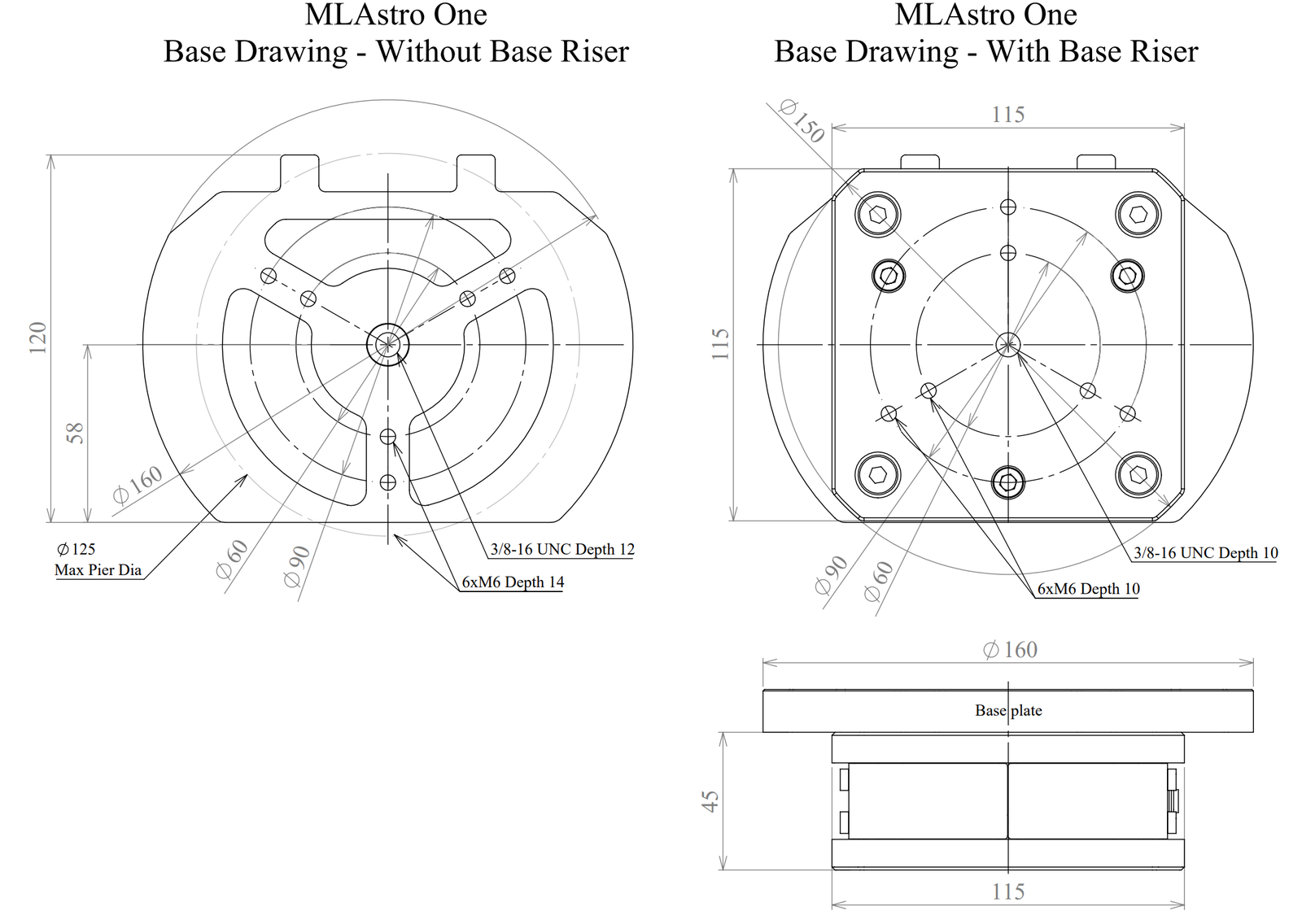
The BR-01 is essential when connecting the MLAstro One to many tripods or pier plates. Because of the way the azimuth adjustment assembly is designed, part of the azimuth mechanism sits lower than the MLAstro One bottom plate. If your tripod or pier top plate is larger than 120 mm in diameter, the azimuth assembly may interfere with the installation.
In that case, the BR-01 raises the mount and provides the clearance needed to install the MLAstro One properly.
The second recommended accessory is the RPA Kit. This is optional. It motorizes the MLAstro One Alt-Az base and enables fully robotic, automated polar alignment.
All other accessories, including the counterweight bar, P-200 pier extension, and Smart hand controller, Laser Engraving are interchangeable with the MLAstro SAL-33.
What tripod should I use with MLAstro One?
Q: What tripod or pier should I use with the MLAstro One?
A: It depends on your payload and how permanent your setup is, but the general rule is simple: use the heaviest and most rigid support system you can reasonably manage.
The tripod or pier itself matters, but the way the mount connects to it matters just as much. Tripods that rely on a single center bolt, such as many EQ3, EQ5, and EQ6-style tripods, are at a disadvantage because the connection is less rigid and less resistant to twisting under heavy, unbalanced loads.
For setups under 15 kg, an EQ5 or EQ6-class tripod with the P-200 Pier Extension should be sufficient in most cases. However, you must pay close attention to tipping risk. The MLAstro One has a heavier mount head, and because harmonic mounts are often used without counterweights, the payload can be strongly unbalanced. This makes the whole system more prone to tipping than a traditional counterweighted equatorial setup.
For setups around 20 kg and above, we recommend using at least a heavy-duty tripier with widely spread legs. A permanent pier is preferred whenever possible. At this payload class, the unbalanced nature of the system becomes much more serious, and tipping risk must be treated carefully. Always set up the system cautiously and test slews slowly before leaving the mount unattended.
If you use a tripod, the P-200 Pier Extension is strongly recommended. It gives the mount more clearance from the tripod legs and reduces the chance of a tripod-leg collision. This is especially important with the MLAstro One because the mount has very high torque, and a collision during slewing can be catastrophic.
Frequently Asked Questions
Q: When will the 2nd Batch ship, and how long will delivery take?
A: We plan to ship the 2nd production batch late Jan 2027. That said, this is a startup-scale project, and delays can happen as we transition from prototypes to full production. I’ve already built in buffer time, but if unforeseen issues extend the timeline, I’ll keep all customers updated with progress reports and notify you of any delays. I take deadlines seriously, and my track record shows I usually meet or even beat them. Shipping time is typically 2–3 weeks worldwide.
Q: Can I cancel my order and get a refund?
A: Yes. As long as your order hasn’t shipped, you’re entitled to a full refund, no questions asked. Just email me at trong.minh@mlastro.com, and I’ll process it immediately. If your order is shipped with tracking number, the sale is finalized and we do not offer refund/return option unless the mount was defective beyond customer service ability under our guidance. Then we’d take back the mount via our forwarding warehouse and the user will be presented with a refund option or repair and send back at MLAstro’s discretion.
Q: What tripod connections does the MLAstro One use?
A: The SAL-33 uses a 3/8″ thread plus 3 × M6 holes — the same as the ZWO AM5. Any tripod that works with the AM5 will work with the MLAstro One. Since the MLAstro One’s Az adjustment assembly sit a bit lower than usual, you might have trouble connecting the MLAstro One to tripods or pier with head bigger than 140mm. So we recommend either the MLAstro P-200 Pier Extension or the RPA Dock to rise the MLAstro One above tripod/pier top plate and clear the Az assembly. The P-200 also provide clearance and better tripod compability with a wide range of optional tripod adapters. We can even do a customized adapter for your tripod, just put an order comment when you place your order and we’ll get back to you with the details.
Q: Why is this so cheap? A comparable mount would easily cost twice as much. Did you make it so cheap using cheap materials/parts?
A: I can promise you the MLAstro One isn’t cheap because of cheap parts. It’s built from top-tier materials, tight tolerances, and proper machining. The price is low because of a few very practical reasons:
- Vietnam factor: Labor here is dirt cheap compared to the West (even compared to China). A skilled CNC operator makes under $30/day. A family of four lives fine on $50/day. So yeah, I’ve got a highly skilled workforce at a fraction of the cost. And no, it’s not “new slavery,”it’s just local economics, thanks for asking.
- Batch production, prepaid: I only build in batches, and they’re all prepaid. That means no stock, no loans, no risk of me losing my house if this mount doesn’t sell. Less financial risk = I can afford to run thinner margins.
- Razor-thin margins: MLAstro is still new. I’ve got other ventures bankrolling me, so I don’t need this to make me filthy rich right now ( I wouldn’t complain if it did, LOL). But the mount market is crowded with big names, and if I want to make some noise, I’ve got to keep the price stupidly attractive. Once we’ve proven ourselves, expect the price to creep up—still competitive, just not “too good to be true” cheap like now.
This started as a hobby that turned into my dream job. Of course money matters—this is still a business—but I’ll never make it the first priority. I enjoy the work, and I enjoy talking shop with people like you. That’s the real payoff.
Q: How does the warranty and servicing work?
A: The MLAstro One includes a 1-year limited warranty covering manufacturing faults. The mount is designed to be user-serviceable — if an electronic fails, it can be swapped easily with off-the-shelf parts. For repairs beyond user scope, we maintain forwarding warehouses in the US, UK, EU, and Australia, so you only need to ship domestically for service.
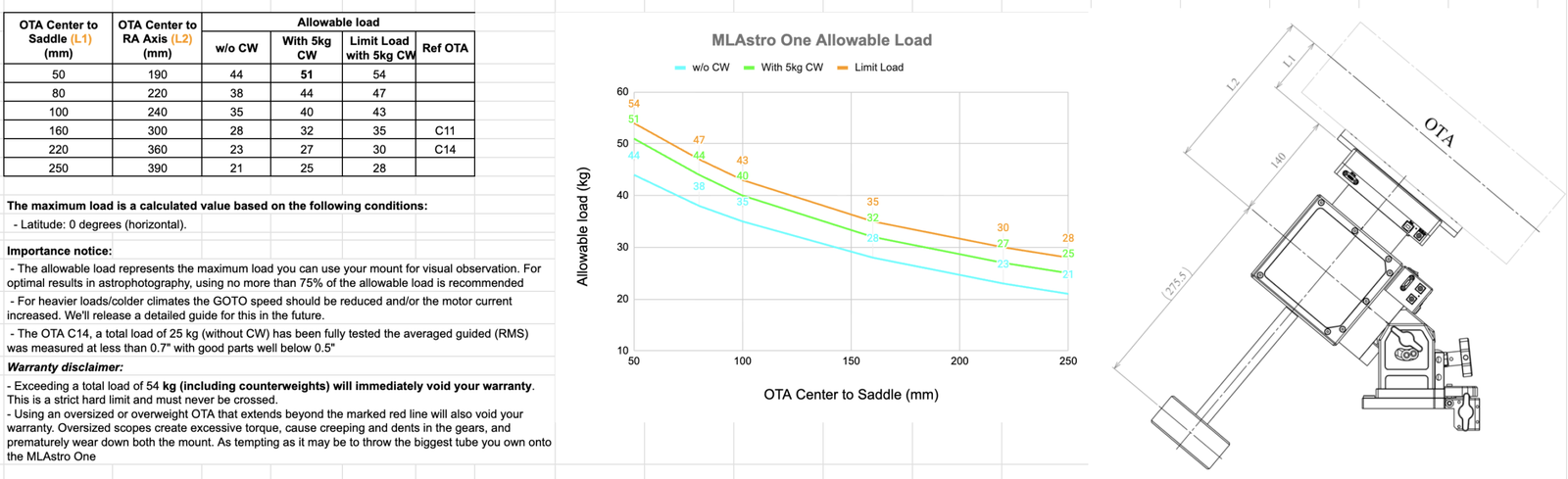
Q: What is the recommended load capacity?
A: For visual use, the MLAstro One supports 35 kg without counterweight, or 40 kg with 5 kg CW for planetary/visual observation. For DSO long exposure imaging, we recommend you not to exceed 35kg with a 5kg CW.
Q: Is it ASIAir compatible?
A: Yes, it works natively with ASIAir via the OnStep driver
Q: I’m having trouble using the MLAstro One. How do I get help?
A: Start with our Quick Start Guide. If that doesn’t solve it, join our user group where our support team is active. For one-on-one help, email me directly, and I can arrange a video call with remote desktop support.
Q: Why is shipping so expensive?
A: The MLAstro One shipping world wide is 249$, tax included for most countries. I know this is not cheap. But the mount included packaging is almost 14kg and worldwide shipping is just gonna be more and more expensive.
Q: Can you reduce import or VAT tax for my order?
A: In most cases, yes. For the SAL-33, I’ve added a “Tax Free” shipping option (with a small surcharge) for countries outside the US—so you’ll have two choices there. For US orders, however, “Tariff Included” is the only available shipping option. For more informations how the “tax free” option are handled, see this.
Q: Is there an iPolar or PoleMaster adapter?
A: Yes. We have a working 3D-printed adapter model. Email me, and I’ll send you the STL file so you can print it locally.
Q: Do you provide a counterweight for this mount?
A: Shipping heavy counterweights isn’t cost-effective, so we don’t have them. The counterweight bar (20 mm diameter, M12 thread) is optional, and you can use any counterweight with a 20 mm bore.
Q: Does the MLAstro One have cable passthrough, a 12V port, or a USB hub on the saddle?
A: Yes, please see the spec sheet in the product page.
Q: How do I rotate the saddle sideway for multiple scope mounting?
A: You loosen the DEC cover screw, rotates it 90*, tighten the screw again and then do a home reset. That’s all. See the guide here.
Tutorials, tips and tricks
Q: Is there a manual?
A: Please see our Quick Start Guide
Q: How do I update the mount firmware?
A: Please see our instructional video here
The Firmware Installer is here https://test.mlastro.com
Q: How do I setup the mount to work with ASIAir?
Q: How do I setup guiding with PHD2 for optimal performance?
Drivers and Softwares Download
Drivers:
- CP210x Drivers for Windows and MacOSX: https://www.silabs.com/software-and-tools/usb-to-uart-bridge-vcp-drivers?tab=downloads
- ASCOM OnStepX Driver (You need ASCOM Platform 6.5 and above to use this): http://www.stellarjourney.com/assets/downloads/OnStep-Setup-1.0.43.zip
Softwares:
- Sky Planetarium: OnStepX authorized planetarium software by Howard Dutton, OnStepX author. It has a lot of tuning, settings that other software lacks including mount modeling. This is a freeware with paid to remove the time limit. If you want cheaper license on this (retail for 30$ but we have those for on discount), please contact me via email. http://www.stellarjourney.com/assets/downloads/sky4.84.zip
- PHD2 Guiding https://openphdguiding.org/downloads
Polemaster/iPolar adapter.
https://drive.google.com/drive/folders/1c7LwPv9aFupNWOR6Qljlm04vXt8ptrKA?usp=sharing
Please download the adapter STL for those devices here
Description
Important note: If your tripod or pier top plate has a diameter larger than 120 mm, you will need the MLAstro Base Riser BR-01 to mount the MLAstro One properly.
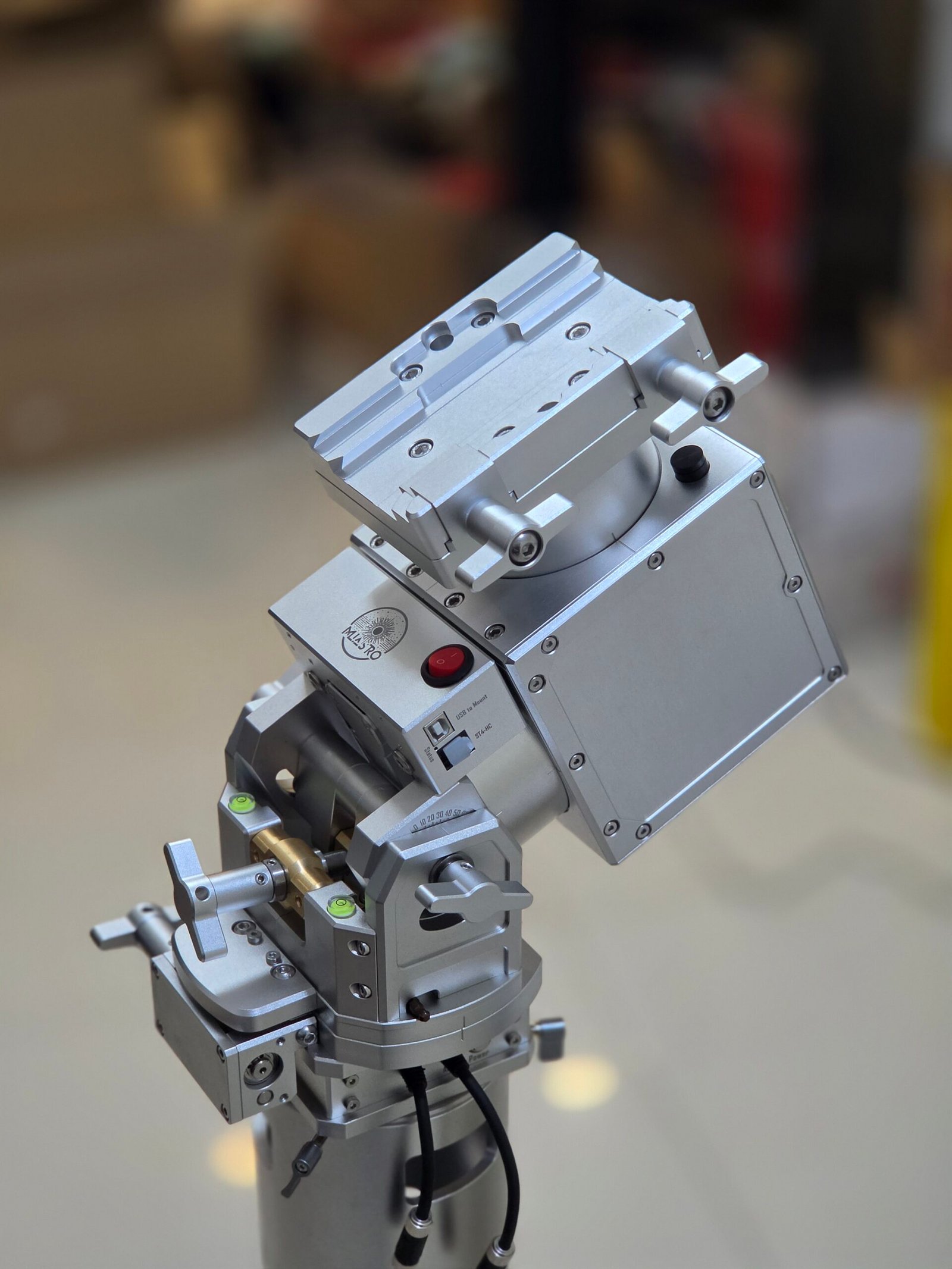
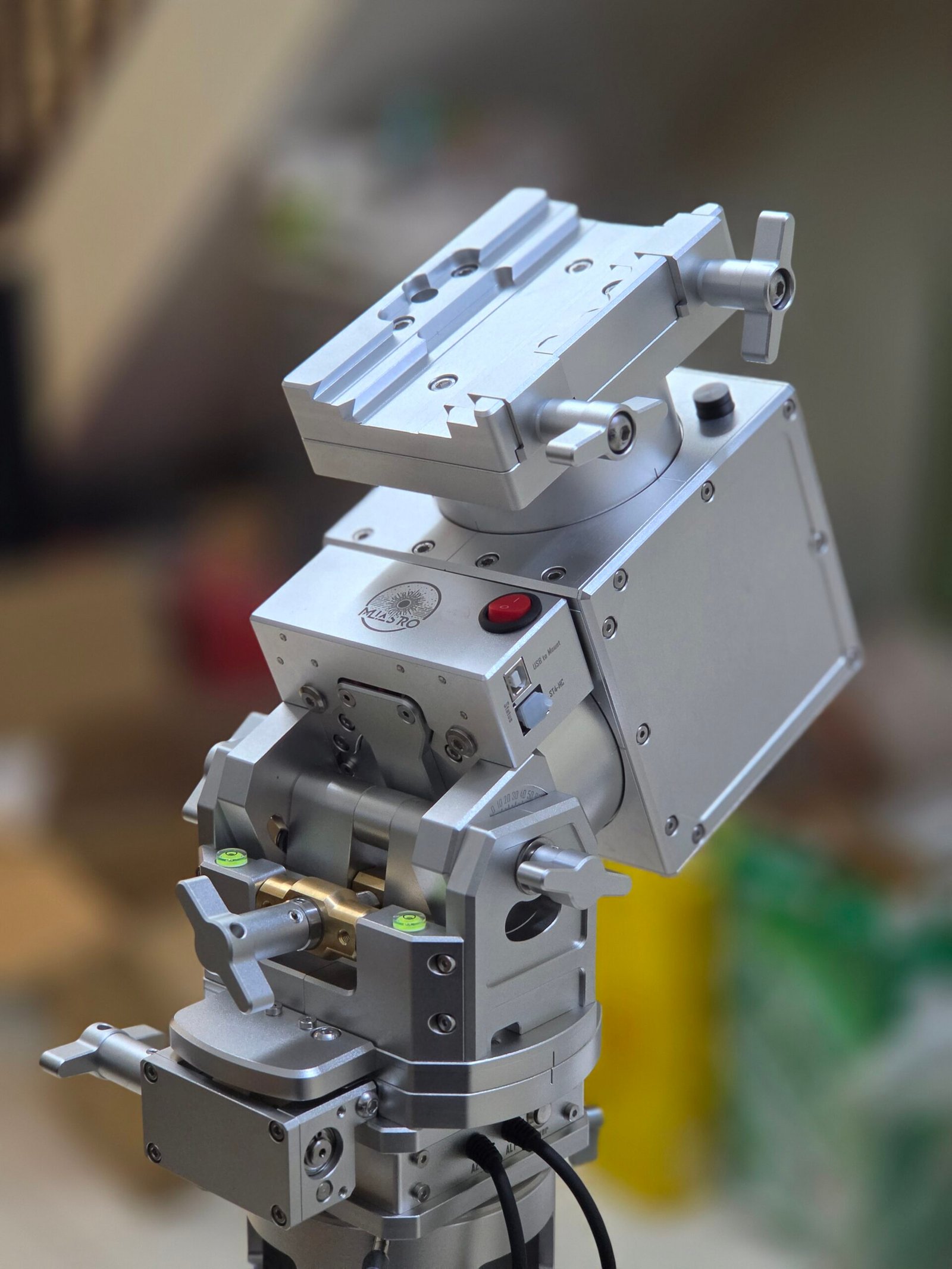
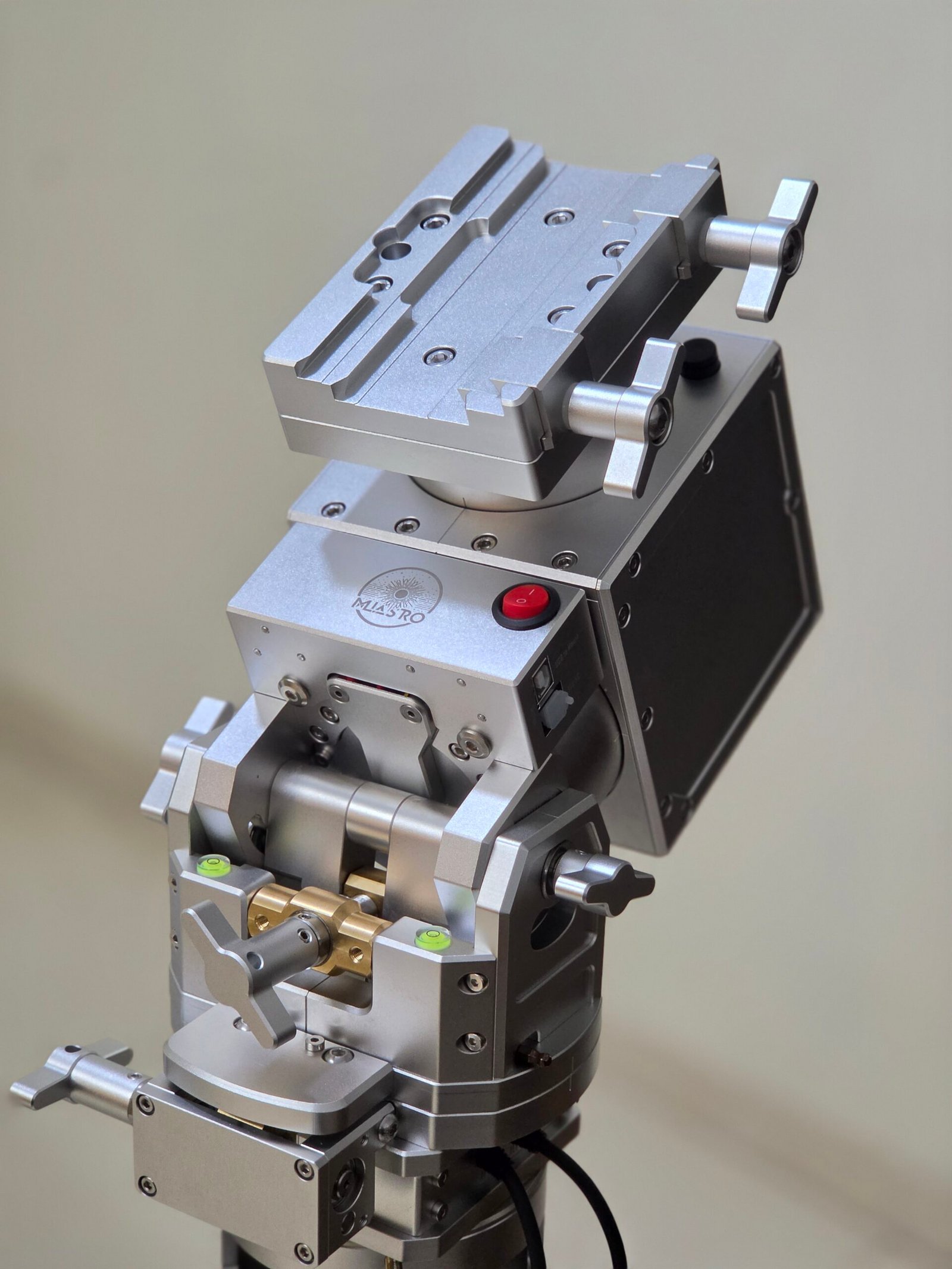
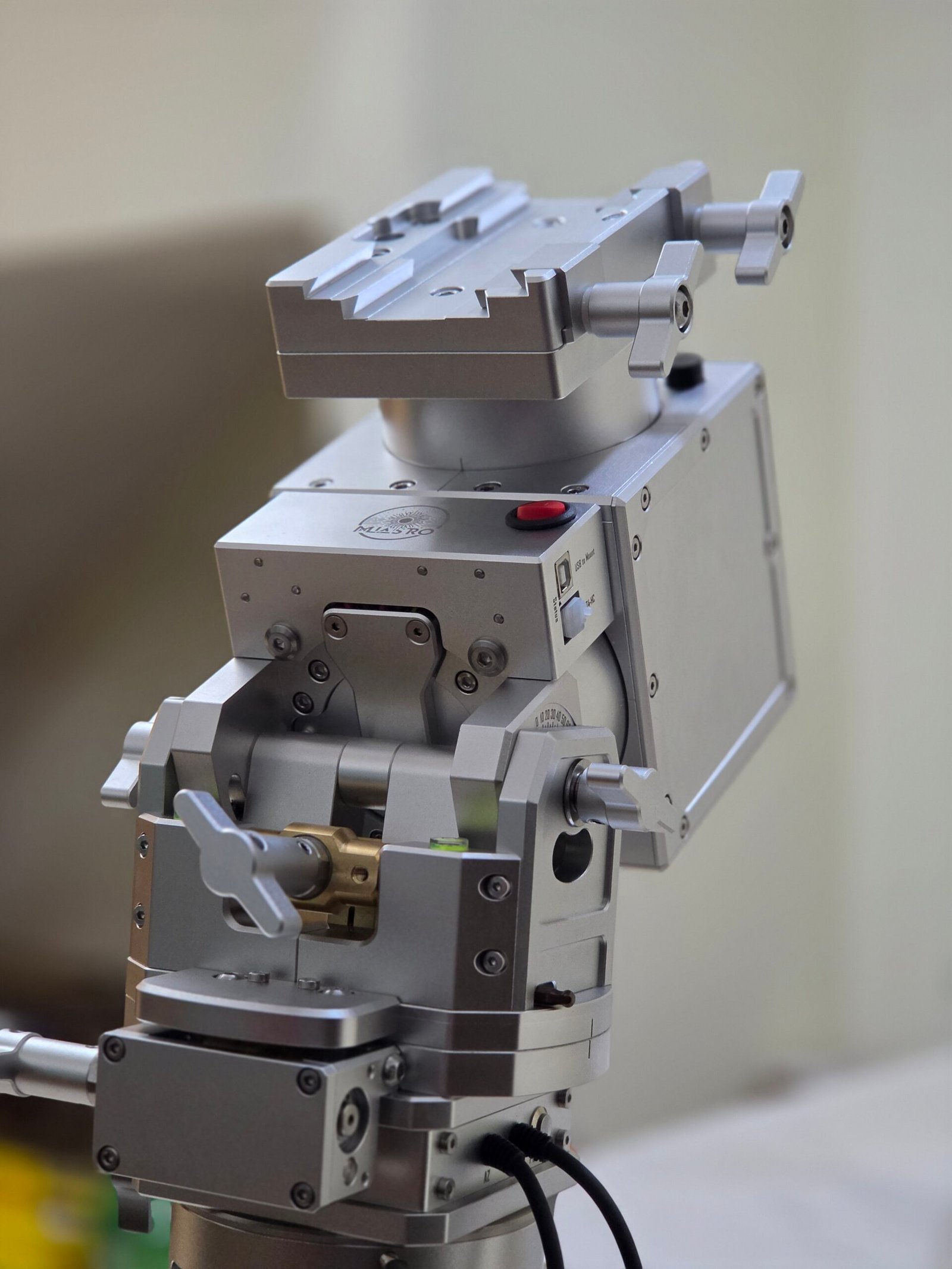
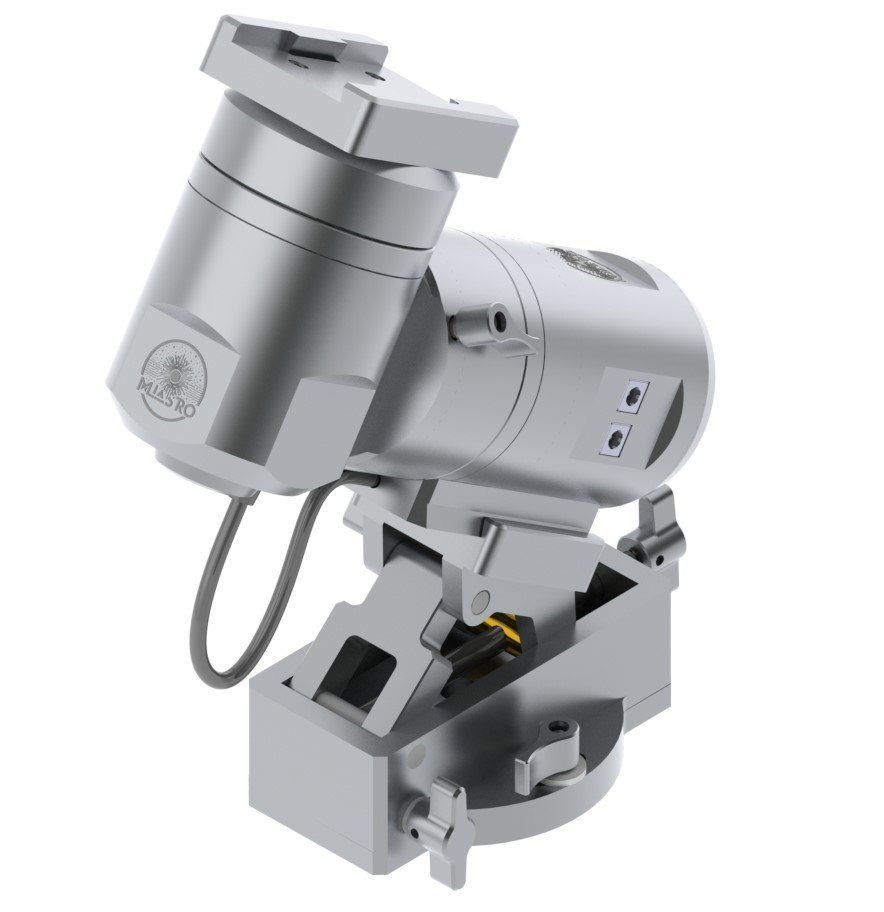
MLAstro One (Formerly SAL-66)
Please note that all information on this page is subject to change without prior notice. Visuals, renders, design elements, specifications, features, pricing, and technical details are based on the current prototype and may change before final release.
The largest harmonic mount MLAstro intends to build.
The MLAstro One is our most capable harmonic mount yet. It is built to answer one question: How far can harmonic gearbox technology be pushed before it stops making sense? Harmonic mounts are compact, powerful, and convenient, but bigger is not always better. At high payloads, they become heavier, bulkier, and less portable. The relatively high and non repeating PE makes guiding with longer focal lengths challenging. So this is where we draw the line in the sand. MLAstro One is the largest harmonic mount we intend to build.
This is our biggest, most complete, and most capable harmonic mount.
When someone asks which high-capacity harmonic mount to get, we want the answer to be simple:
Get the MLAstro One.
Built Around the Gearbox
The heart of a harmonic mount is the gearbox. So we started there.
In a harmonic mount, the gearbox is everything.
It defines torque, stiffness, tracking behavior, periodic error, and long-term reliability. This is not where you cut corners.
The MLAstro One uses a Size 25 harmonic gearbox on RA and a Size 20 gearbox on DEC. For this mount, we selected the best commercially available gearboxes we could secure. To our knowledge, the Size 25 gearbox used in the MLAstro One has the lowest periodic error ever used in a harmonic telescope mount.
Period.
The MLAstro One payload rating was chosen to keep the gearboxes operating with a comfortable safety margin. This reduces flexure, protects your equipment, and keeps the mount inside its real-world performance envelope. The result is not just a mount with a big number on paper. It is a mount designed to guide and track its rated payload with precision.
MLAstro Zero-Shift 2.0, Rebuilt for a Bigger Mount
One of the best Alt-Az mechanisms on Earth, made stronger.
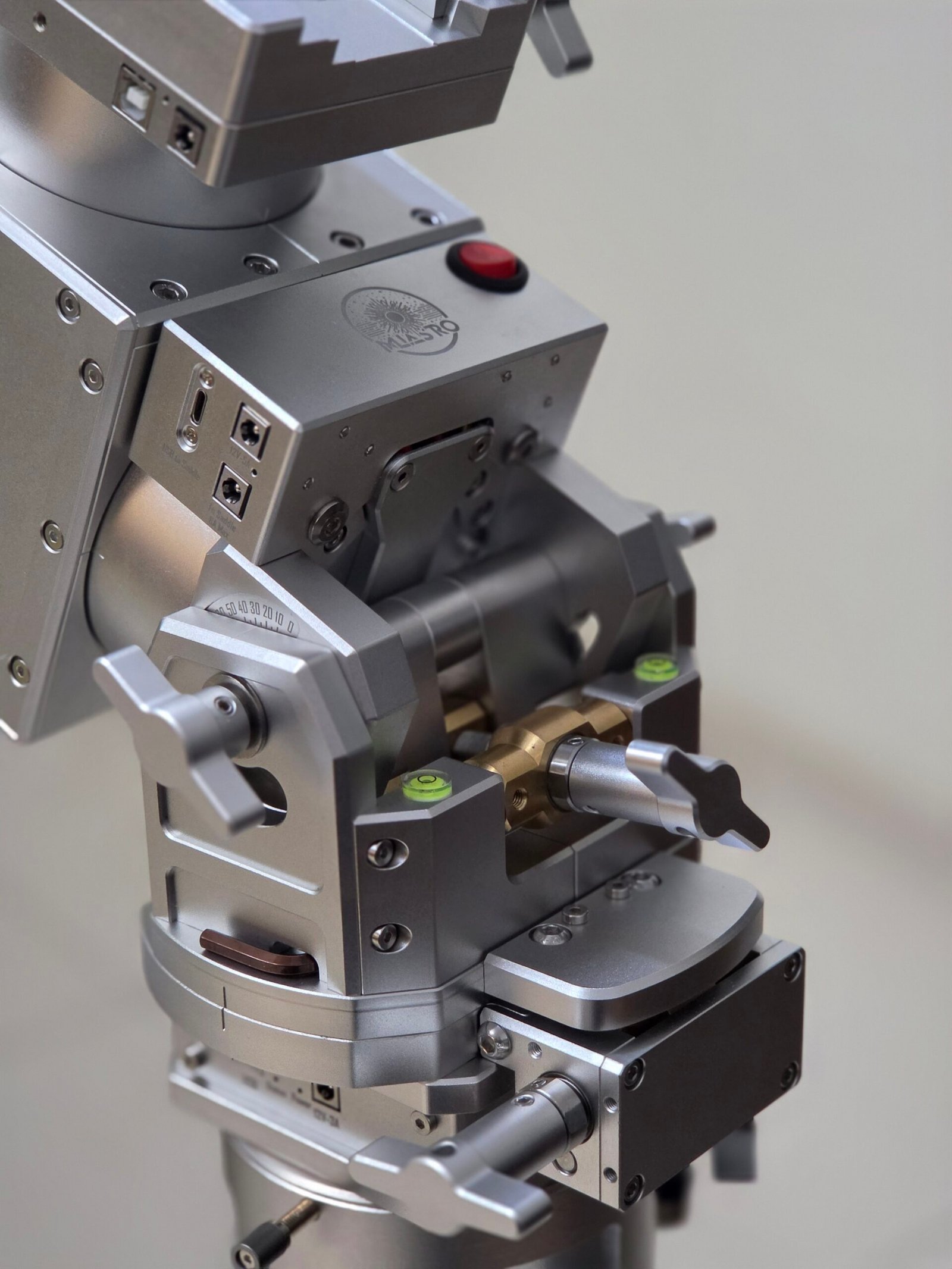
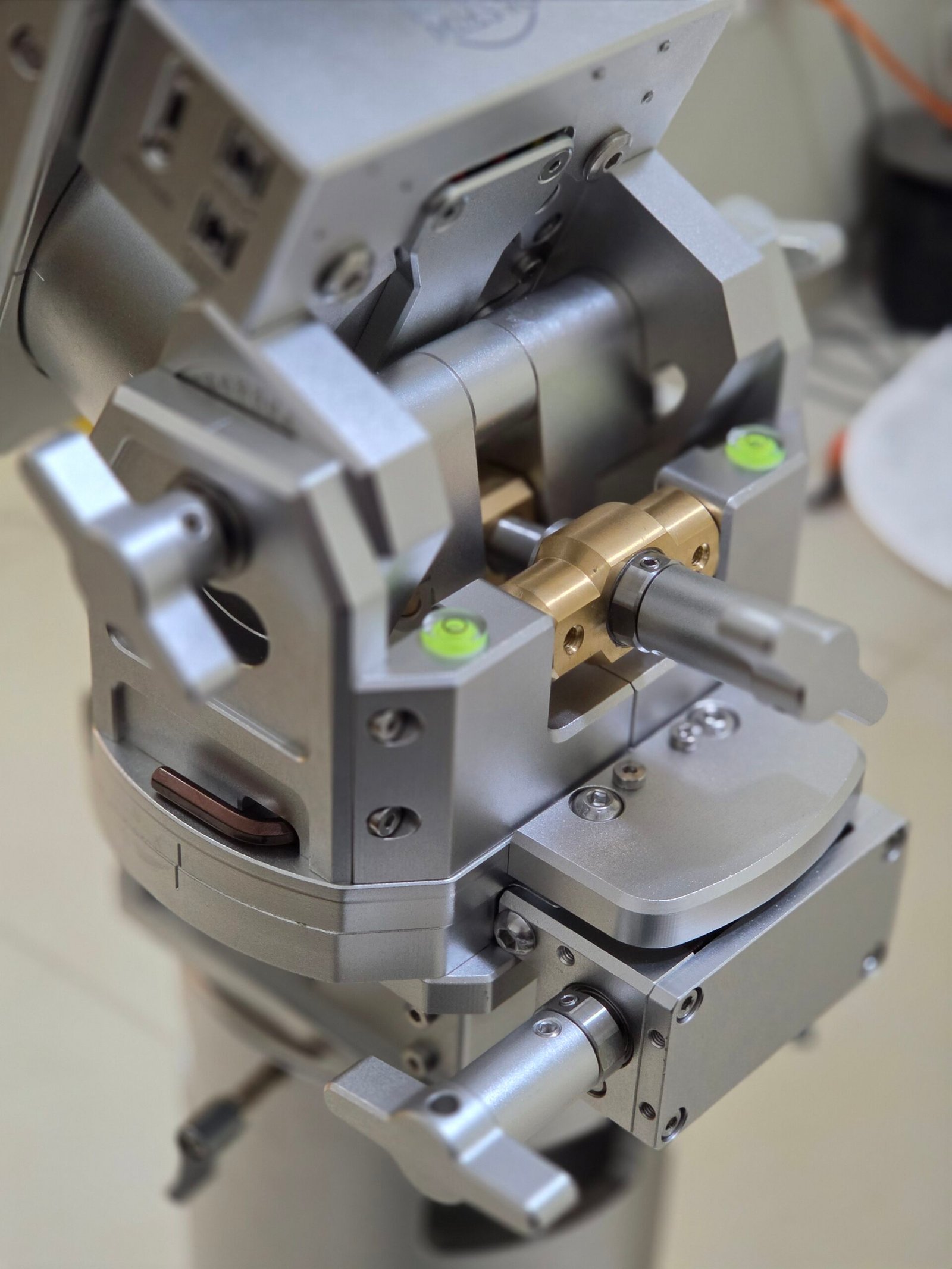
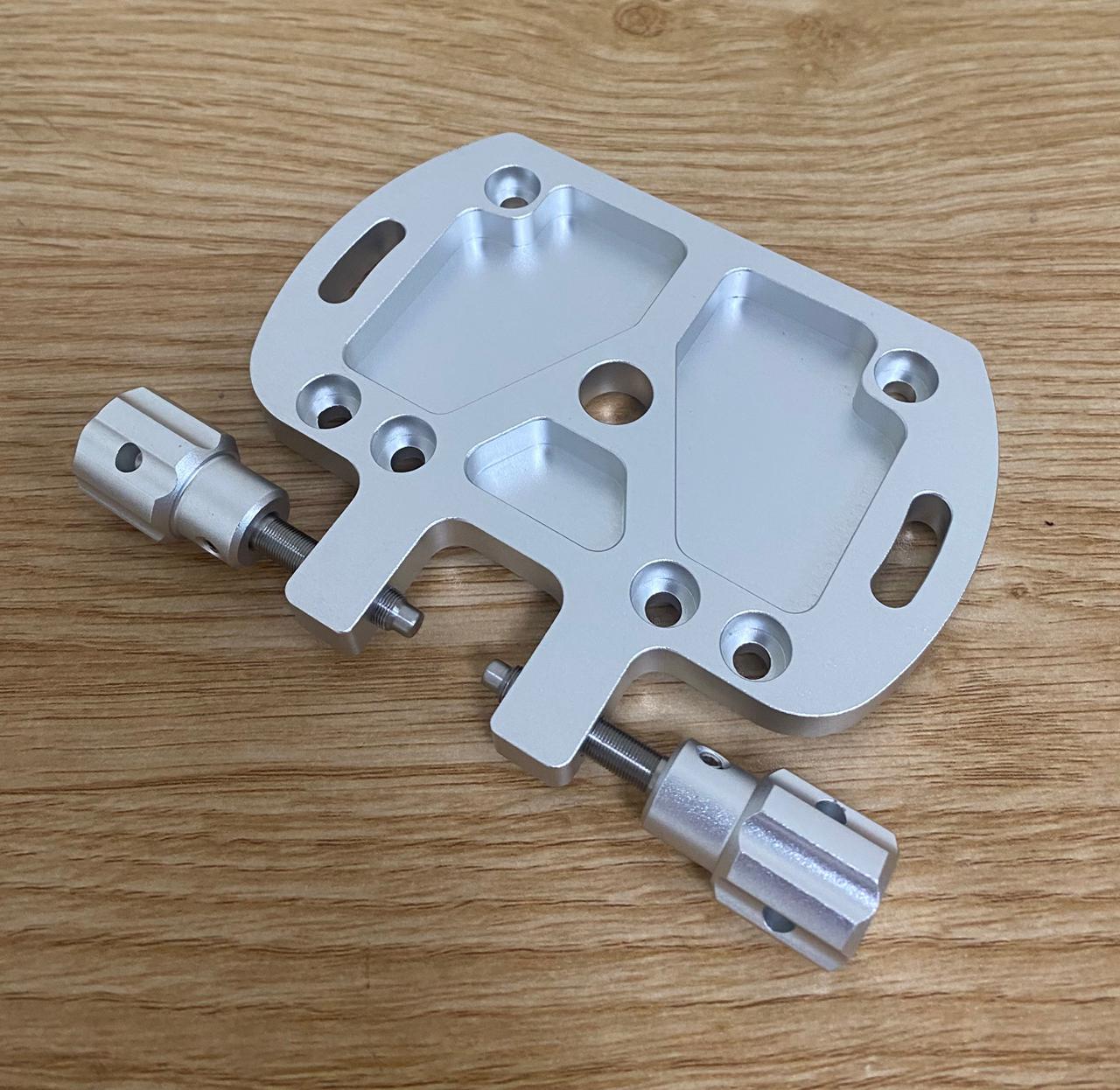
The Zero-Shift Alt-Az base was one of the defining features of the SAL-33. Many customers came for it, then stayed for the whole mount. Smooth adjustment. No fighting the knobs. No shift after tightening. No painful polar alignment dance in the dark. For the MLAstro One, the SAL-33 base was no longer enough. We needed something stronger, stiffer, more refined, and ready for motorized robotic polar alignment. So we rebuilt the mechanism from the ground up. The same Zero-Shift philosophy remains, but with tighter tolerances, greater rigidity, more advanced materials, and a redesigned azimuth system.
Most Alt-Az bases still rely on a simple screw pushing against a pin. It works, but it feels like something straight from the 1950s. That was not good enough for the MLAstro One. If both altitude and azimuth were going to be motorized, both axes had to be precise, stiff, and repeatable from the start.
The result is one of the most complex Alt-Az bases ever used on a harmonic mount:
Single-knob azimuth adjustment.
Zero-Shift altitude adjustment.
Virtually no play when properly tightened.
Ready for robotic polar alignment.
It took a ridiculous amount of engineering work.
Thankfully, it works.
Overengineered Where It Matters
Do not touch my motor.
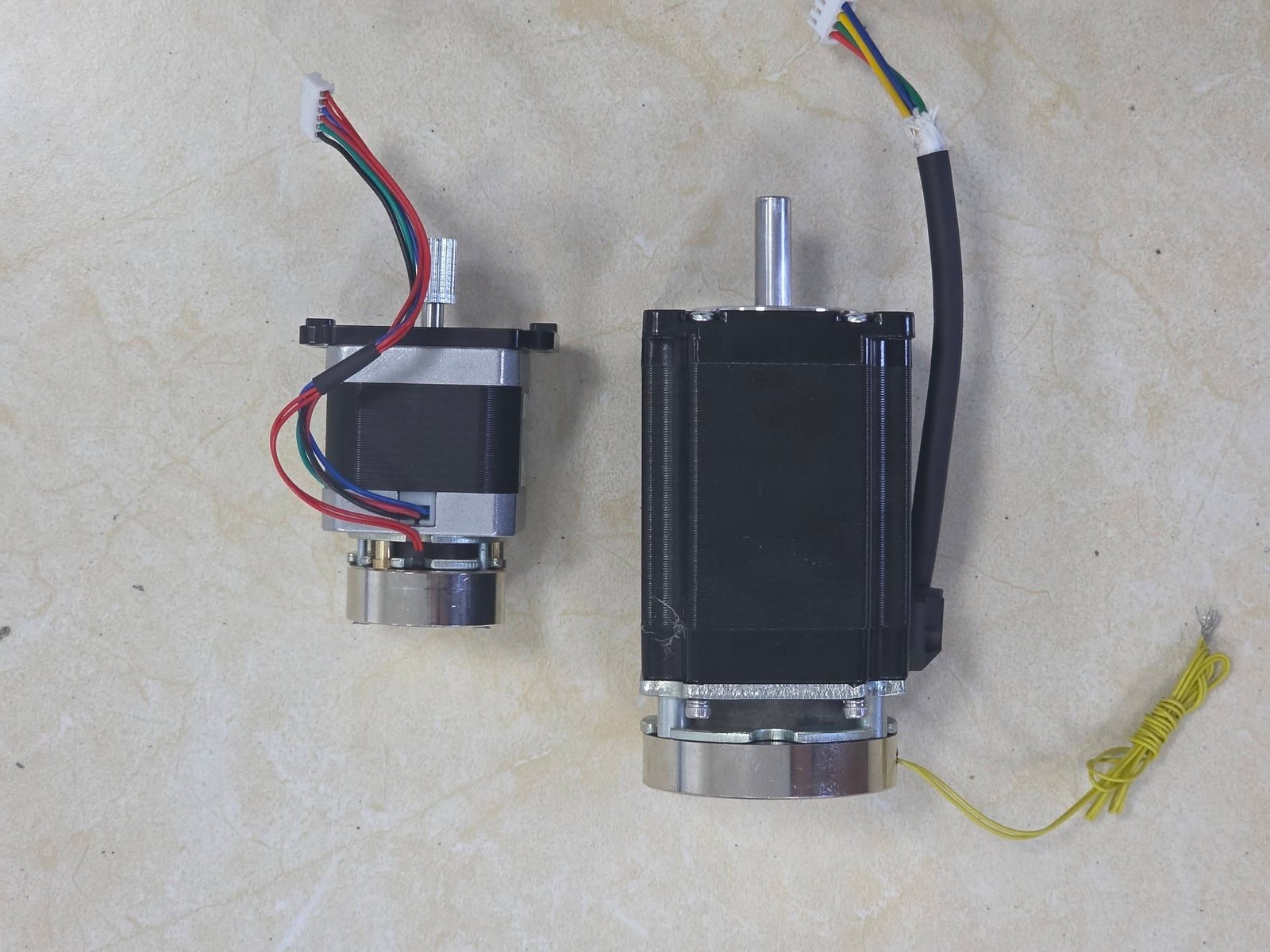
The MLAstro One uses a huge NEMA 23 motor on the RA axis, making it one of the most heavily motorized mounts in its class. This was intentional. Our calculations showed that a smaller NEMA 17 motor would work on paper. But “enough” was not the goal.
My instruction was simple: Use the biggest motor that can physically fit inside the housing. That is how the NEMA 23 made it into the MLAstro One.
During the first load test, the mount slewed 47 kg without counterweights. The test only stopped because we ran out of counterweights. The mount still had margin left. There were talks about reducing the motor size afterward.
My answer was swift and firm: Do not touch my motor!
Why such an oversized motor? Because in a harmonic mount, the motor does the heavy lifting. Since the gearbox can backdrive, the motor must constantly hold torque whenever the mount is away from home, even when it is not slewing. More torque margin means the motor is not running on the edge. It can run cooler, quieter, smoother, and with less risk of skipped steps.
That directly affects tracking performance.
It starts with the motor.
And the MLAstro One has serious motor margin.
Dual Physical Brakes
Freedom from balance anxiety on both axes.
Heavy payloads are rarely perfectly symmetrical. A big SCT can be very back-heavy. A dual-scope setup can be awkwardly unbalanced. A large Newtonian can shift its balance problem into a new direction almost every time the mount moves. These are normal problems when working with serious equipment.
On lighter payloads, these issues are easier to tolerate. You can usually slide the setup forward or backward in the saddle and call it good. In the MLAstro One payload class, trying to slide a 30 kg payload around in the saddle by yourself can turn into a disaster very quickly.
With heavier payloads, the DEC axis can become unbalanced enough to droop when power is cut. So we added a second physical brake to the MLAstro One, this time on the DEC axis. This gives the mount physical braking on both axes when power is cut.
You are free from worrying about balance on RA.
You are free from worrying about balance on DEC.
The DEC brake also helps users configure the payload slightly front-heavy, which is important for getting the best performance from the Robotic Polar Alignment system. For heavy, asymmetrical, real-world imaging setups, this is the correct design choice.
And honestly, we are amazed nobody did this before. As far as we know, the MLAstro One is the first harmonic mount with physical brakes on both axes.
Robotic Polar Alignment Ready
The final piece of the truly robotic remote observatory.
Remote observatory owners know this story too well. You drive out to the observatory to do maintenance, change a scope, replace a camera, adjust a cable, or rebuild part of the setup. After that, the mount needs polar alignment again. But it is cloudy. Or it is daytime. Or you have to go home. A few days later, the forecast finally looks promising. You drive two hours back to the observatory, ready to polar align. Then the clouds roll in. You wait. Nothing improves. You give up and drive home.
Then, just as you arrive home, the sky over the observatory clears. This repeats until half the imaging season is gone. That happened to us. So we built the solution ourselves.
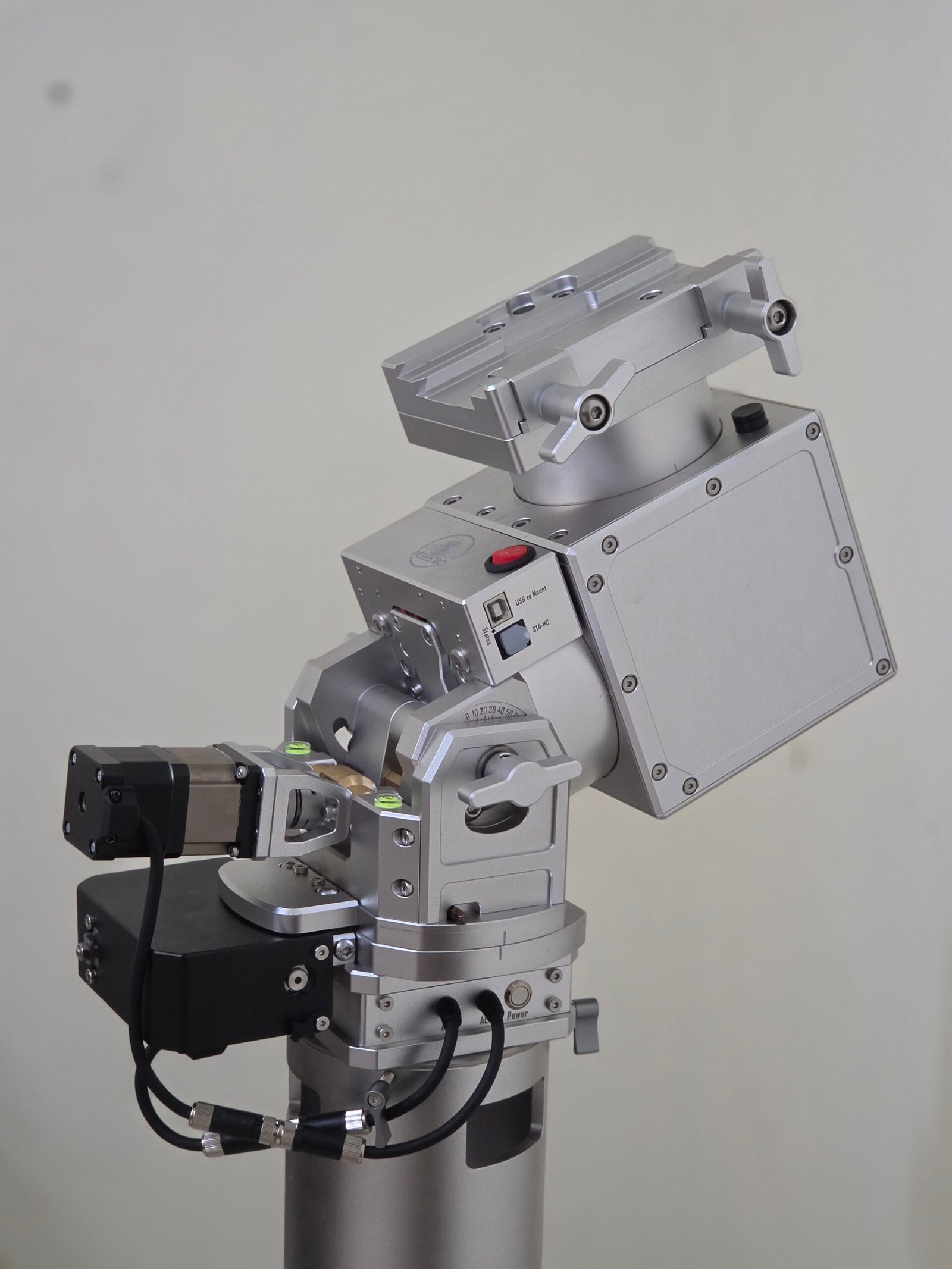
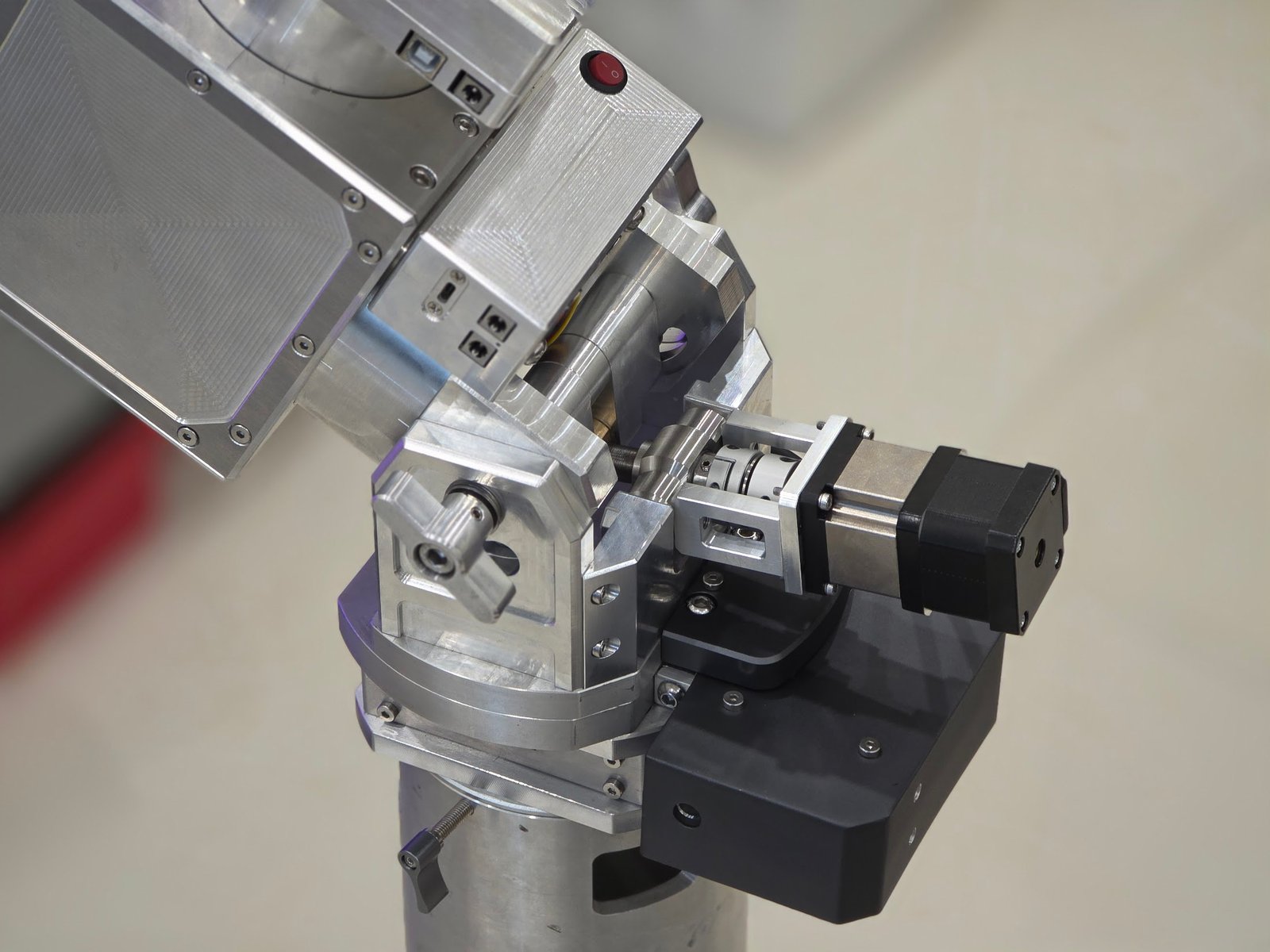
The MLAstro RPA platform is a mount-integrated Robotic Polar Alignment system designed to adjust the altitude and azimuth axes automatically. With RPA, the MLAstro One can perform polar alignment corrections without you physically touching the mount.
No crouching behind the mount. No fighting Alt-Az knobs. No guessing. No shifting after tightening bolts. Just controlled robotic adjustment.
The RPA will be available as an option for new MLAstro One mounts and as a retrofit kit. We strongly recommend ordering the RPA from the beginning if you need it, because installation requires nuance and is best handled by our experienced technicians.
The RPA software suite includes support for:
- N.I.N.A. plugin for Robotic PA
- KStars integration for Robotic PA
- INDI driver support
- ASIAir compatible for Robotic PA
- Manual control through the integrated web interface and MLAstro Hub app
When supported by the software platform, the RPA can automatically adjust the mount until the polar alignment error converges below the threshold set by the user, based on the measurement from the polar alignment routine.
For platforms that do not yet support full automation, the RPA can still be controlled manually through the integrated web interface.
The RPA can broadcast its own Wi-Fi network or connect to an existing Wi-Fi network, making it useful for both field setups and remote observatories.
We are actively working to expand MLAstro RPA compatibility with more software and platforms.
Cable Management Done Properly
Because on a mount this powerful, a cable snag is not a small problem.
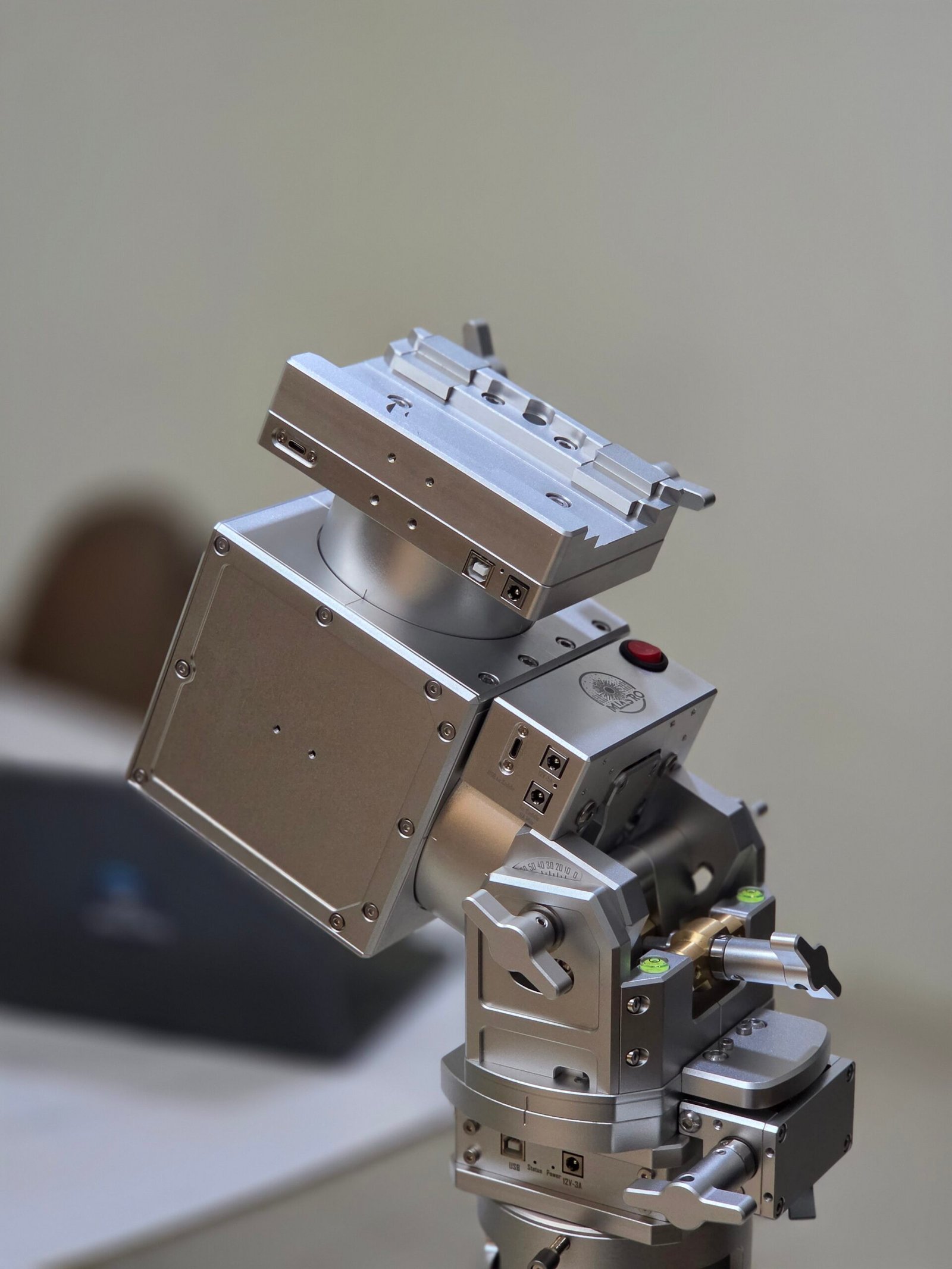
On the SAL-33, USB passthrough was nice to have. On the MLAstro One, it is essential. Remote operation needs clean cable management. With this much torque, a cable snag is not an inconvenience. It can become a serious problem. That is why cable passthrough was a priority from the beginning.
The MLAstro One includes USB Saddle-to-Mount for users who place their astro PC on the saddle. For full remote setups, we added a high-speed USB Type-C port on the saddle, routed through to the RA hub. Users can also connect through the Type-B USB port on the RA hub. If you want wired Ethernet, that’s possible too via a USB Ethernet adapter.
The RA hub also provides 12V 8A power passthrough to the saddle.
The goal is simple:
True zero cable drop from the saddle.
All connectors are mounted on stationary ports so cables can be secured properly. Nothing has to move unless it absolutely has to. This reduces accidental contact issues, intermittent USB problems, and cable movement during operation.
Connector placement was also carefully planned to avoid interference with large or unusual payloads.
That said, the MLAstro One is still compact for its class. Some setups may still require careful cable routing.
And yes, that matters.
You really do not want a cable snag on this mount.
Open Source From the Ground Up
Emphasizing on the right to repair and user serviceability
MLAstro values openness. It is not just a software philosophy. It affects how we design our hardware, firmware, support, and long-term product ecosystem.
The MLAstro One is designed to be as user-serviceable as practical. Everything that can be made plug-and-play is made plug-and-play. A faulty driver or motor can be replaced easily. A bad motor can be swapped without turning the mount into a factory-only repair case. Our pin map and firmware are open to the public, so anyone who wants to look under the hood can do so.
The mount is designed from the ground up with serviceability in mind. You can strip the mount down to the motor and belts with the gears still installed, minimizing downtime and service time.
We also keep our development process open and invite the community to contribute. The MLAstro One was shaped by carefully filtered feedback from real users.
If connector placement causes trouble on another mount, we move it and test the new layout. If saddle knobs are difficult to tighten, we add pin holes so users can insert a rod for more leverage. If users want compatibility with existing piers or tripods, we make official adapters for major manufacturers.
The P-200 adapter system is designed to offer one of the widest tripod and pier compatibility ranges available, allowing users to reuse equipment they already own instead of spending more money on another tripod or pier.
Many design choices on the MLAstro One came directly from community feedback.
It is built by us, but designed for real users.
Built on OnStepX
Open firmware, active development, real collaboration.
MLAstro is an official OnStepX supporting partner. We recognize the enormous amount of work that has gone into OnStepX, and we are proud to be part of that ecosystem. This partnership gives MLAstro a direct line to the OnStepX team for bug reports, feature requests, compatibility improvements, and ongoing collaboration.
That helps ensure MLAstro hardware and OnStepX firmware work together properly.
MLAstro started paying OnStepX license royalties with the SAL-33. For the MLAstro One, we have decided to double that royalty for each mount sold. If the MLAstro One follows the success of the SAL-33, this will become a meaningful contribution that helps the OnStepX developer dedicate more time and attention to the project.
Starting from the MLAstro One and MLAstro RPA, MLAstro also donating a small royalty fee on every MLAstro RPA sold to the INDI and N.I.N.A project. Those are the open source projects that made amateur astronomy easier than ever and I personally believe since MLAstro commercially benefited from the open source work. we are obliged to give back.
That benefits MLAstro users. It also benefits the wider astronomy community.
MLAstro-Level Customer Service
When you buy the mount, you get the team behind it.
When you buy an MLAstro One, you get more than hardware. You get direct support from the same team that designed, tested, and built your mount.
No matter how carefully a mount is engineered, quality controlled, issues can still happen. Shipping damage, user error, premature component failure, firmware issues, configuration mistakes, or plain bad luck can appear sooner or later. When that happens, customer support is not a side feature. It is the only thing that matters.
MLAstro support and after-sales service have been repeatedly praised by customers. Do not just take our word for it. Search online. Ask people who already own MLAstro products.
They will tell you the same thing: MLAstro customer support is second to none. We stand behind our products because we know what went into them. And when something goes wrong, we are always a phone call or email away.
The MLAstro One Philosophy
The MLAstro One is not designed to be the strongest harmonic mount possible. It is designed to be the biggest harmonic mount that still makes sense. There is a point where making a harmonic mount larger no longer improves the idea. It only adds weight, cost, complexity, and compromise.
The MLAstro One is our line in the sand.
A large harmonic mount should still be portable.
It should still reduce the need for counterweights.
It should still be easier to deploy than a traditional mount in the same payload class.
It should still feel modern.
It should still have decent tracking without adding sophisticated encoders and asking for a staggering price tag.
That is what we set out to build.
A serious high-capacity harmonic mount with real engineering margin, a refined mechanical base, robotic polar alignment readiness, proper cable management, open firmware, and customer support that does not vanish after delivery. The MLAstro One is our most complete answer yet to what a harmonic telescope mount should be.
One mount to rule them all.
Category | Specification |
|---|---|
Mount Type | Harmonic drive equatorial/alt-az dual-mode |
Load Capacity | Imaging: Up to 35 kg without CW, Up to 40 kg with 5 kg CW |
Slew Speed | MAX 4°/s |
Drive System | High-quality low-PE 25:100 harmonic drives for RA and 20:100 for DEC |
Software Support | Works natively with ASIAir, Stellavita. Full ASCOM and INDI support |
Maximum Torque | 85N.m |
Maximum Dovetail width | 140mm with standard Saddle knob No limit with Round Saddle knob |
Maximum tripod/pier top-plate diameter | 120mm without Base Riser BR-01 (Optional) No limit with Base Riser BR-01 (Optional) |
Brakes | Physical brake on both RA and DEC |
Home sensor | Yes, physical home sensor on both RA and DEC. |
Sideway Saddle | Yes. The saddle can be rotated 90 degrees sideways for side-by-side dual-scope setups. Full home-sensor support is also available in sideways saddle mode. |
Retains Pointing | Yes, pointing retained after power cycle |
Firmware | Official OnStepX hardware |
Open Source | Firmware and pinmap fully open-source |
Build | Precision CNC-machined metal |
Alt-Az Base | MLAstro Zero-Shift Alt-Az base Adjusting range: +/- 10 Degree Altitude +/-8 degree Azimuth Altitude movement range: 0-90 without RPA. 0-70 With RPA (Dovetail might hit RPA motor on certain setup and orientation) 0-90 With RPA and Saddle Riser SR-01. |
Connectivity | On RA Hub: 1x 5.5-2.5mm center positive mount power 12V-5A. 1 x 5.5-2.5 center positive 12V-8A passthrough to saddle 1 x Type B USB 2.0 mount port. 1x Type C USB 3.0 passthrough to saddle. 1x Hand Controller Port/ST4 port On saddle: 1x Type B USB 2.0 mount port 1x Type C USB 3.0 passthrough from RA Hub 1x 5.5-2.5mm 12V 8A passthrough from RA Hub WiFi (AP and Hotspot modes), Bluetooth |
Mount Head Weight | 11.2 kg without Base Riser BR-01 (Optional) 12.2kg With Base Riser BR-01 (Optional) 13.7 kg with RPA (Optional) |
In the Box | Mount head, USB cables and PSU |
Operating Temperature | -20 to 50C ambient temperature |
Recommended PSU | 12V 5A minimum. 5.5×2.5mm center positive Power consumption: 1.1A standby, 1,3A tracking, 4A slewing. |
Warranty | 1-year limited warranty |
Related products
- Out of Stock

- MLAstro Trinity (Product Under Development)
- Read more

- MLAstro RPA kit – For MLAstro One
- Price range: 649,00 $ through 718,00 $
- Select options This product has multiple variants. The options may be chosen on the product page
Reviews
There are no reviews yet.